Best Roscón Colombiano Near Me: Taste, Ingredients and Bakery Tips
Searching for the “best roscón colombiano near me” usually means looking for more than just a sweet pastry. For many people, Colombian roscón is connected with childhood memories, neighborhood bakeries, family breakfasts and the simple pleasure of eating freshly baked bread with coffee or another favorite drink.
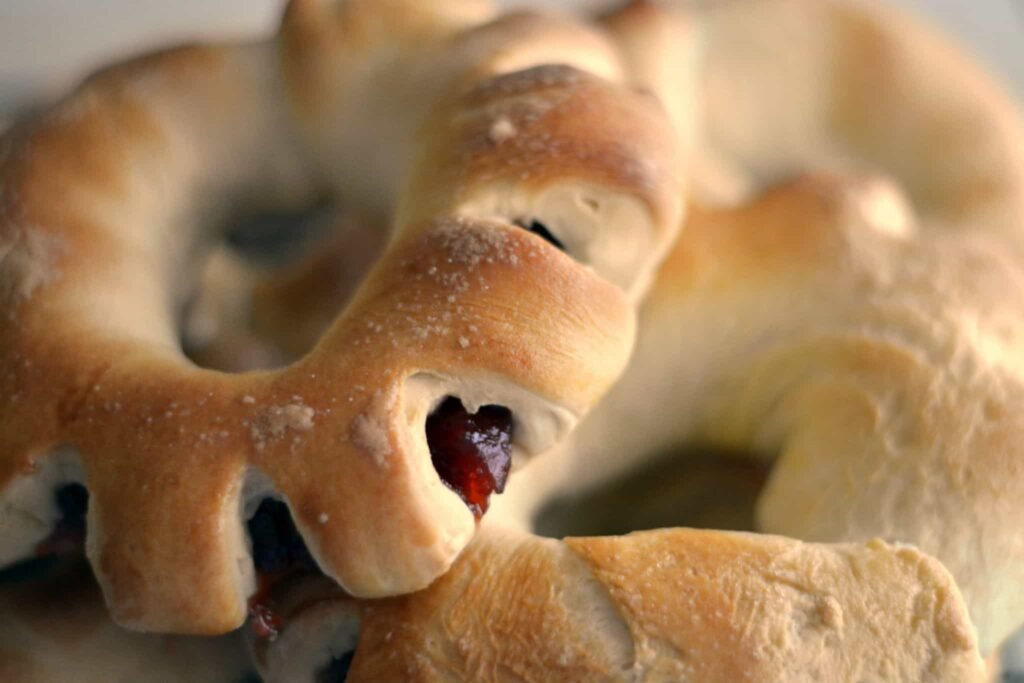
The Colombian roscón is a soft, lightly sweetened ring-shaped bread that commonly contains bocadillo de guayaba, a firm guava paste, or arequipe, a Colombian-style dulce de leche. Both versions are recognized in Colombian food references and are widely associated with the country’s bakery tradition.
Finding the best one near you depends on several factors. Freshness, dough texture, filling, baking quality and the bakery’s approach to Colombian recipes can make a noticeable difference.
If you are searching locally, this guide explains what to look for, how to compare bakeries and how to recognize a good traditional roscón.
What Is Roscón Colombiano?
Roscón colombiano is a traditional Colombian sweet bread generally shaped like a ring and filled with guava paste or arequipe. It is commonly found in Colombian bakeries and is enjoyed as a snack, breakfast item or accompaniment to a hot drink.
Colombian food references specifically recognize roscón with bocadillo and roscón with arequipe as separate food preparations.
The dough is typically made from ingredients such as wheat flour, sugar, yeast, butter or another fat, eggs and milk or water. Recipes vary between bakeries, so two roscones can have noticeably different textures and flavors.
A good roscón should balance the mildly sweet bread with the stronger flavor of its filling.
Why It Is Popular
The appeal of Colombian roscón comes partly from its simplicity.
It does not need elaborate decoration to be enjoyable. A soft bread exterior, sweet filling and light sugar topping can create a satisfying combination without making the pastry overly complicated.
Roscón is also closely associated with Colombian bakery culture. El Tiempo describes roscón as one of the familiar breads found throughout Colombia and notes that the traditional versions commonly feature either guava paste or arequipe.
For Colombians living abroad, a Colombian bakery selling fresh roscón can also provide a familiar taste of home.
The Traditional Roscón
The traditional Colombian version is usually made with a yeast-based dough.
The Bogotá tourism and cultural publication Bogotá entre relatos y recetas includes a recipe for roscón de bocadillo, using wheat flour, milk, egg, butter, sugar, salt and fresh yeast, with strips of bocadillo placed inside the dough.
The dough is shaped into portions, filled and rolled before the ends are joined to form the characteristic ring.
The finished bread is commonly brushed with beaten egg and sprinkled with sugar before baking, producing a lightly golden exterior.
Bocadillo vs. Arequipe
One of the most important choices when ordering Colombian roscón is the filling.
Roscón de Bocadillo
Bocadillo is a traditional guava paste with a concentrated fruity sweetness. It provides a firmer, slightly chewy filling that contrasts nicely with soft bread.
The official Bogotá recipe specifically uses strips of bocadillo as the filling.
This is an excellent option if you enjoy fruit-based sweets and want the more recognizable traditional flavor.
Roscón de Arequipe
Arequipe is a creamy caramelized milk preparation similar to dulce de leche.
A roscón filled with arequipe has a softer, creamier and richer center. It is particularly appealing to people who prefer caramel and milk-based desserts.
Both versions are legitimate Colombian bakery choices, so the “best” filling ultimately depends on personal taste.
What Makes a Good Roscón?
When searching for the best roscón colombiano near you, start with the texture.
The bread should ideally feel soft and tender rather than dry or hard. A freshly prepared roscón should have enough structure to hold its filling while remaining pleasant to tear apart.
The filling should also be distributed properly. A roscón with a generous but balanced amount of bocadillo or arequipe is generally more satisfying than one where the filling disappears into a thick layer of bread.
The exterior should be nicely baked without becoming excessively dark or hard.
Freshness Matters
Freshness can make a major difference.
A Colombian bakery that produces roscones throughout the day may offer a noticeably softer product than one that leaves pastries sitting for long periods.
Some Colombian bakeries emphasize handmade production and fresh baking. For example, Colombia Pan y Sabor describes its roscón as being made artisanally in its own bakery and kept soft and spongy through controlled preparation.
When possible, ask the bakery when the latest batch came out of the oven.
A warm or recently baked roscón can have a softer crumb and more pronounced aroma than one that has been sitting for several hours.
How to Find the Best One Near You
The phrase “near me” depends completely on your location, so there is no single bakery that can accurately be called the best for everyone.
When searching Google Maps or another local directory, try terms such as:
- Colombian bakery near me
- Roscón colombiano near me
- Roscón de bocadillo near me
- Roscón de arequipe near me
- Panadería colombiana near me
- Colombian pastries near me
Look at recent customer reviews rather than relying only on the overall star rating.
Pay particular attention to comments mentioning freshness, authentic Colombian flavor, soft texture, generous filling and friendly service.
Choosing a Colombian Bakery
A bakery’s overall Colombian menu can tell you something about its specialty.
A shop selling several traditional Colombian breads and pastries may have more experience with the country’s bakery traditions than a general bakery offering only one Colombian pastry.
You might see products such as pan de bono, pandeyuca, almojábanas, buñuelos and roscones.
However, variety alone does not guarantee quality. The best approach is to combine the menu with recent reviews and, if possible, a personal visit.
Look at the Texture
Texture is one of the easiest ways to judge a roscón.
A good example should be soft, slightly elastic and tender inside. The bread should not feel excessively dense.
The crust should provide a little resistance while the interior remains pleasant and moist.
If the bread feels dry, overly crumbly or hard, it may not have been baked or stored at its best.
The filling should also remain distinct instead of becoming completely absorbed into the dough.
Check the Ingredients
Traditional recipes generally rely on relatively familiar baking ingredients.
The Bogotá recipe uses wheat flour, milk, egg, butter, sugar, salt and yeast, along with bocadillo for the filling.
A published Colombian recipe from My Colombian Recipes similarly uses flour, yeast, sugar, butter, vanilla, eggs and guava paste.
Ingredient lists can vary considerably between bakeries, though.
If you have food allergies, ask about wheat, eggs, dairy, nuts and possible cross-contact before ordering.
How Roscón Is Traditionally Served
Roscón can be eaten at different times of the day.
It works particularly well as a breakfast pastry, afternoon snack or casual dessert.
In Colombia, bakery products are often enjoyed with hot drinks, making roscón a natural companion for coffee or chocolate.
Some people prefer to eat it warm, while others enjoy it at room temperature.
The right serving temperature depends on the filling. Arequipe becomes especially soft when warm, while bocadillo maintains more of its firm texture.
Best Drinks to Pair With It
Coffee is an obvious choice.
The bitterness of coffee can balance the sweetness of the bread and filling, particularly with an arequipe roscón.
Hot chocolate is another excellent pairing. Colombian food culture has a strong tradition of serving hot chocolate alongside different bakery products.
You can also pair roscón with milk, tea or a cold beverage.
The most important consideration is balance: a very sweet drink combined with an extremely sweet filling can make the overall experience heavier.
Why Freshly Baked Roscón Stands Out
Fresh baking affects more than temperature.
A recently baked roscón generally has a stronger bakery aroma, softer crumb and better contrast between the bread and filling.
This is why it can be worthwhile to visit a bakery during its busiest baking periods.
If a bakery tells customers when its roscones are freshly prepared, that can be useful information when planning your visit.
Ordering Online
Some Colombian bakeries offer online ordering or delivery.
This is convenient if you live far from a Colombian neighborhood or want to order several pastries at once.
However, consider delivery time.
Roscón is a bread product, so freshness can change during transportation and storage. If possible, choose a bakery that provides clear information about preparation and delivery.
For specialty fillings such as bocadillo or arequipe, ask how the bakery packages the pastry to maintain its texture.
Price and Portions
Prices vary significantly depending on the city, bakery, size and ingredients.
A small individual roscón will naturally cost less than a large artisan version.
Imported ingredients, specialty fillings and handmade preparation can also affect price.
Instead of choosing entirely based on the lowest price, consider portion size, freshness, filling and overall quality.
A slightly more expensive roscón may offer considerably better value if it is freshly prepared and generously filled.
Cultural Importance
Roscón is more than simply a sweet bread.
It forms part of the everyday bakery culture found throughout Colombia. El Tiempo identifies it among familiar Colombian breads and notes that it is generally filled with either guava paste or arequipe.
The Bogotá tourism publication also presents roscón de bocadillo within a broader discussion of Colombian food traditions and memories surrounding markets, breakfasts and family meals.
For this reason, eating a roscón can be a cultural experience as much as a culinary one.
How Roscón Is Made
Although recipes differ, the basic process follows several familiar stages.
First, the yeast is combined with liquid and sugar. Flour, eggs, salt and other ingredients are then incorporated before the dough is kneaded.
Butter is added during preparation in many recipes, helping create a richer and softer texture.
The dough is allowed to rest and ferment before being divided and rolled.
For a bocadillo version, strips of guava paste are placed inside the dough. The dough is then rolled around the filling and shaped into a ring.
The Bogotá recipe calls for the finished ring to ferment until it increases in size before being brushed with beaten egg, sprinkled with sugar and baked.
Roscón Colombiano vs. Roscón de Reyes
It is important not to confuse Colombian roscón with the Spanish-style Roscón de Reyes.
They may share a ring-like shape, but they are different bakery traditions.
The Colombian version is commonly associated with bocadillo de guayaba or arequipe, while Roscón de Reyes traditionally has its own ingredients, decoration and cultural customs.
Colombian roscón is also commonly available throughout the year rather than being restricted to the January Three Kings season.
Health and Nutrition
Roscón should generally be viewed as a sweet bakery product, not a health food.
It commonly contains flour, sugar, butter or another fat, eggs and a sweet filling. The Colombian food composition tables maintained by the ICBF list roscón with arequipe and roscón with bocadillo among cereal and grain-derived foods.
The nutritional profile will vary according to the recipe and serving size.
If you are monitoring sugar, calories, carbohydrates or dietary restrictions, check the bakery’s nutrition information when available.
Tips for Finding the Best Roscón Colombiano
If you want the best possible local experience, keep a few simple points in mind.
Check recent reviews. Older reviews may not reflect current quality.
Ask about freshness. Find out when the latest batch was baked.
Try both fillings. Bocadillo and arequipe offer completely different experiences.
Look for Colombian specialization. A bakery focused on Colombian products may have more experience with traditional recipes.
Check the texture. Soft bread and a well-defined filling are good signs.
Ask questions. A knowledgeable bakery employee should be able to explain the filling, ingredients and preparation.
Is Bocadillo the Better Choice?
For someone trying Colombian roscón for the first time, bocadillo is an excellent starting point.
Guava paste provides a distinctly fruity Colombian flavor and is strongly associated with the traditional preparation.
My Colombian Recipes describes bocadillo as the key ingredient in its Colombian guava roscón and notes its popularity in Colombian cuisine.
However, if you prefer creamy caramel flavors, arequipe may be the better choice.
There is no universally correct answer.
Is Arequipe the Better Choice?
Arequipe offers a completely different experience.
Instead of the fruity character of guava, it gives the roscón a rich, creamy and caramel-like center.
This version is particularly suitable for people who enjoy dulce de leche-style desserts.
Colombian recipes recognize both arequipe and bocadillo versions, so choosing one over the other comes down primarily to taste.
Final Thoughts
Searching for the best roscón colombiano near me is ultimately about finding the right combination of authenticity, freshness and personal taste.
A good Colombian roscón should have soft, well-prepared bread, a satisfying filling and a pleasant balance of sweetness. Bocadillo provides a fruity guava flavor, while arequipe offers a creamy caramel character.
When comparing local bakeries, pay attention to recent reviews, freshness, ingredient information and the bakery’s familiarity with Colombian traditions.
If you have never tried one before, start with a fresh roscón de bocadillo, ideally from a Colombian bakery that prepares its pastries regularly. Then try the arequipe version and decide which style suits your taste.
Most importantly, don’t judge a bakery only by its online rating. A freshly baked roscón served at the right moment can make a much bigger difference than a single review score.
FAQs
1. What is a Colombian roscón?
Roscón colombiano is a soft, sweet ring-shaped Colombian bread, commonly filled with bocadillo de guayaba or arequipe. It is widely associated with Colombian bakery culture.
2. What is the traditional filling in Colombian roscón?
The two most recognized fillings are bocadillo de guayaba and arequipe. Bocadillo provides a fruity guava flavor, while arequipe has a creamy caramel taste.
3. How can I find the best roscón colombiano near me?
Search for “Colombian bakery near me,” “roscon colombiano near me” or “roscon de bocadillo near me.” Compare recent reviews, freshness, fillings and bakery quality before ordering.
4. Is Colombian roscón sweet?
Yes. The bread itself is mildly sweet, while bocadillo or arequipe adds additional sweetness. The exact level depends on the bakery’s recipe and the amount of filling.
5. What should I drink with Colombian roscón?
Coffee, Colombian-style hot chocolate, tea or milk can all work well. Coffee is particularly good when you want to balance the sweetness of the pastry.