Best Ensalada Rusa Navidad Near Me: A Guide to Finding the Right Christmas Salad
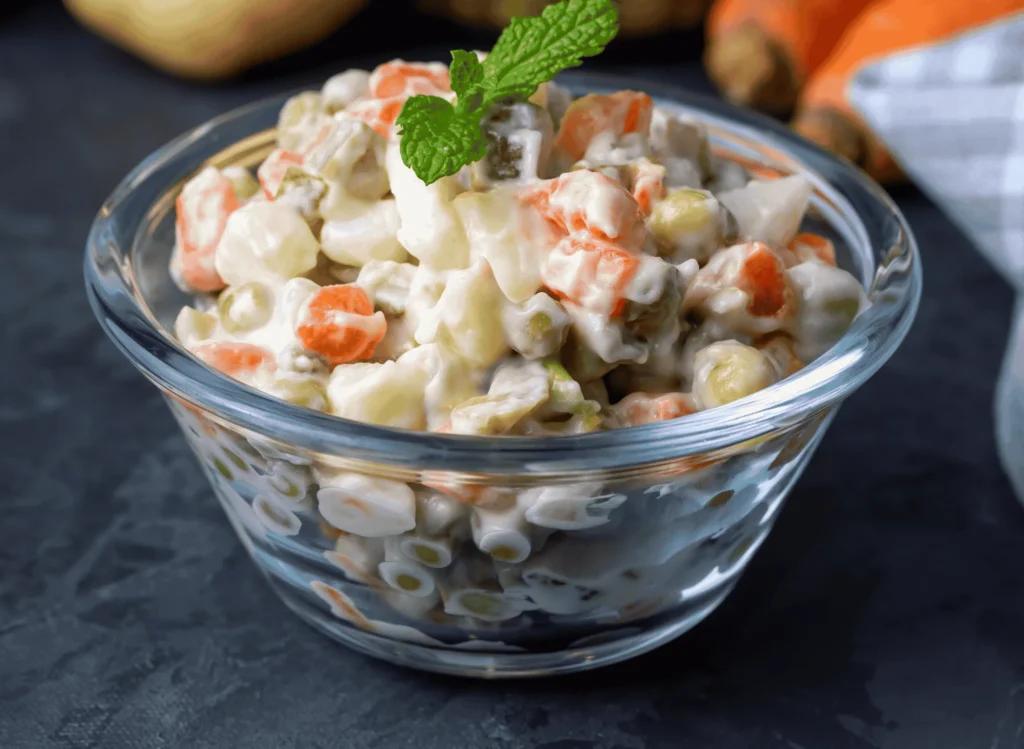
When people search for “best ensalada rusa Navidad near me,” they are usually looking for more than an ordinary potato salad. During the Christmas season, ensalada rusa becomes part of a larger family meal, often served alongside roasted meats, chicken, turkey, pork or other festive dishes.
The recipe varies considerably from one country and family to another. In many Latin American versions, potatoes, carrots, peas and mayonnaise form the basic combination, while other recipes include beets, eggs, apples, corn, green beans or additional ingredients.
That variety is one reason the search term best ensalada rusa Navidad near me can mean different things to different people. Someone may prefer a creamy Dominican version, a Peruvian preparation with beets, or a simpler Argentine-style salad.
What Is Ensalada Rusa?
Ensalada rusa, often called Russian salad or Olivier salad, is a cold salad traditionally based around cooked vegetables and a mayonnaise dressing.
Although versions differ, potatoes are one of the most recognizable ingredients. Carrots and peas are also common, while eggs, beets, apples, corn, pickles and other additions appear in different regional recipes.
The dish has traveled widely and developed into a familiar part of many national cuisines. In Latin America, it is particularly associated with family celebrations, Christmas dinners and New Year’s gatherings.
Why It Is Popular at Christmas
Christmas meals often contain rich main dishes, so a chilled vegetable salad provides a different texture and temperature.
In several Latin American countries, ensalada rusa has become a traditional holiday side dish. Peru, Argentina, Colombia, Venezuela and other countries have their own versions, while the Dominican Republic has a particularly established Christmas tradition surrounding its potato salad.
For many families, the attraction goes beyond flavor. The recipe can carry memories of family gatherings, grandparents, childhood celebrations and familiar holiday traditions.
That emotional connection is part of what makes a homemade or traditionally prepared version especially appealing during Christmas.
The Main Ingredients
A basic ensalada rusa generally begins with potatoes, carrots, peas and mayonnaise.
The vegetables are normally cooked until tender, cooled and cut into pieces before being combined with the dressing. Eggs are common in some versions, while other recipes add ingredients such as apples, celery, onion or corn.
The important thing is balance. The potatoes should remain intact rather than becoming mashed, the carrots should provide a little texture, and the mayonnaise should bring everything together without overwhelming the vegetables.
A good ensalada rusa should feel creamy without becoming heavy or watery.
Regional Variations
There is no single recipe that represents every country.
Peru
The Peruvian version can include potatoes, green beans, beets, carrots, peas, lemon and mayonnaise. It is commonly served alongside chicken and other roasted or fried foods and has a prominent place on Christmas tables.
The beetroot gives this version its distinctive color and a slightly earthy sweetness.
Argentina
Argentine-style ensalada rusa commonly uses potatoes, carrots, peas and mayonnaise. Eggs may also be included, and some preparations add other ingredients. It is strongly associated with holiday meals and can accompany dishes such as matambre.
Dominican Republic
The Dominican version is often called ensalada rusa, ensalada mixta or ensalada de papa. Potatoes and eggs form an important base, while carrots, beets, apples and other ingredients may appear depending on the family recipe. It is especially popular during Christmas and New Year celebrations.
Ecuador and Other Regions
Other Latin American preparations may include ingredients such as apples, celery, onion, corn or additional vegetables. Family recipes frequently change according to local ingredients and personal preference.
This is why searching for the best ensalada rusa Navidad near me should not automatically mean searching for one specific recipe.
What Makes the Best Version?
The best ensalada rusa is usually defined by texture, freshness, seasoning and balance rather than by the largest number of ingredients.
Potatoes should be cooked enough to become tender but firm enough to hold their shape. Overcooked potatoes can make the entire salad mushy.
Carrots and peas should retain their character rather than disappearing into the mayonnaise. If beets are used, they should complement rather than dominate the other flavors.
The dressing also matters. Too little mayonnaise can make the salad dry, while too much can hide the flavor of the vegetables.
How to Find It Near You
When searching for best ensalada rusa Navidad near me, use several types of local businesses rather than checking only restaurants.
Try searching:
- Latin American restaurants
- Hispanic grocery stores
- Latin bakeries
- Family-owned food shops
- Christmas catering services
- Peruvian restaurants
- Dominican restaurants
- Argentine restaurants
- Colombian restaurants
- Venezuelan restaurants
- Local home-based caterers
During the Christmas season, some businesses may offer ensalada rusa specifically as a holiday side dish or catering tray rather than keeping it on their regular menu.
Check Local Menus
A restaurant’s standard menu may not show its Christmas offerings.
Holiday menus can be different from everyday menus, particularly during December. Some restaurants prepare special family-size trays that are available only by advance order.
If you are buying the salad for a Christmas gathering, check whether the business requires pre-ordering.
This is especially important if you need a large quantity.
Read Recent Reviews
Customer reviews can help identify qualities that are difficult to judge from a menu.
Look for comments mentioning:
- Freshness
- Creaminess
- Portion size
- Vegetable texture
- Seasoning
- Authenticity
- Packaging
- Value for money
- Holiday catering service
Do not rely entirely on an overall star rating. Read recent comments specifically about the food you intend to order.
A restaurant may have excellent reviews for grilled meats but little feedback about its ensalada rusa.
Ask About the Recipe
If authenticity matters to you, ask what style the restaurant prepares.
For example:
“Does your ensalada rusa contain beets?”
That single question can make a big difference.
A beet-based Peruvian or Dominican-style salad looks and tastes different from a simpler potato, carrot and pea version.
You can also ask whether the salad contains eggs, apples, corn, green beans, pickles or other ingredients.
Ordering for Christmas
Christmas gatherings often involve more people than ordinary meals.
If you are ordering ensalada rusa for a party, ask the seller about serving sizes rather than simply buying by container size.
A small container might be enough for a family dinner but inadequate for a large gathering.
It is also worth asking whether the salad is supplied chilled and how long it can safely remain refrigerated.
Order early when possible. Holiday demand can be considerably higher than normal, and popular family-owned restaurants may sell out of prepared side dishes.
Freshness Matters
Because ensalada rusa commonly contains mayonnaise and cooked vegetables, proper temperature control is important.
When purchasing a prepared version, choose a reputable seller that handles chilled foods appropriately.
The salad should arrive cold and properly packaged, particularly if you are transporting it home.
Avoid leaving a mayonnaise-based salad sitting at room temperature for extended periods. Follow the seller’s storage instructions and applicable food-safety guidance.
Portion Size
A useful way to compare local options is to consider the amount of salad provided rather than only the price.
A larger container may offer better value for a family gathering, while smaller individual servings can be convenient for a meal.
If ordering for Christmas, tell the seller how many people you expect to serve. Experienced caterers can usually recommend an appropriate quantity.
This can prevent both unnecessary leftovers and the disappointment of running out halfway through dinner.
Homemade vs. Store-Bought
Homemade ensalada rusa has one major advantage: the recipe can be customized.
A family can add more carrots, reduce mayonnaise, include apples, add beets or change the seasoning according to preference.
Store-bought versions offer convenience and can save considerable preparation time during a busy holiday period.
Neither option is automatically better. The right choice depends on your schedule, taste preferences and the quality of the local preparation.
What to Serve With It
Ensalada rusa is versatile enough to accompany many festive dishes.
In Peru, it may be served with chicken and other roasted foods, while Argentine traditions pair it with holiday meats and dishes such as matambre.
Other good pairings can include:
- Roast chicken
- Turkey
- Roast pork
- Grilled beef
- Ham
- Barbecue
- Fried chicken
- Sandwiches
- Other cold holiday dishes
Its creamy texture works particularly well alongside savory roasted or grilled foods.
What to Ask Before Ordering
If you find a promising local business, ask a few simple questions before paying.
What ingredients are included?
Is it prepared fresh?
How large is the serving or tray?
Does it contain eggs or other allergens?
Is the recipe Peruvian, Dominican, Argentine or another regional style?
How should it be stored?
Does the business accept Christmas pre-orders?
These questions can save you from receiving a version that does not match your expectations.
Common Mistakes
One mistake is assuming that every ensalada rusa tastes the same.
It does not.
Another is choosing a restaurant solely because it has the highest general rating. A restaurant can be excellent overall without specializing in the particular regional style you want.
A third mistake is waiting until Christmas Eve to place a large order.
During holiday periods, popular food businesses may have limited preparation capacity. Advance ordering is usually the safer choice for large family gatherings.
Why Families Love It
There is something comforting about a dish that can appear on the Christmas table year after year.
The ingredients are familiar, the preparation is relatively simple, and the salad can be adjusted according to family taste.
For many households, the recipe becomes part of the family’s culinary identity.
That combination of simplicity, versatility and tradition explains why ensalada rusa remains a popular holiday dish across Latin America.
A Simple Standard for the “Best”
If you are comparing several local options, consider five things:
1. Texture: Vegetables should be tender but not mushy.
2. Balance: Mayonnaise should complement rather than overpower.
3. Freshness: The salad should be properly chilled and freshly prepared.
4. Flavor: Seasoning should bring out the vegetables.
5. Authenticity: The ingredients should match the regional style you prefer.
Using these criteria makes the search for best ensalada rusa Navidad near me much more practical.
Final Thoughts
The search for best ensalada rusa Navidad near me is ultimately a search for a dish that combines good ingredients with holiday tradition.
There is no single recipe that everyone will consider the best. Peruvian, Argentine, Dominican and other Latin American versions all have distinctive characteristics, and family recipes can differ even within the same country.
When choosing a local version, pay attention to freshness, texture, ingredients, regional style, portion size and customer feedback. If you are ordering for Christmas, contact the business early and confirm availability.
The best choice is the one that fits your table, your preferred regional flavor and the people you are sharing the holiday with.
FAQs
What is ensalada rusa Navidad?
Ensalada rusa Navidad is a Christmas-style Russian salad commonly prepared with potatoes, carrots, peas and mayonnaise. Regional versions may contain beets, eggs, apples, corn and other ingredients.
How do I find the best ensalada rusa Navidad near me?
Search local Latin restaurants, bakeries, grocery stores and catering businesses, then compare recent reviews, ingredients, serving sizes and holiday availability.
What ingredients are normally in ensalada rusa?
Common ingredients include potatoes, carrots, peas and mayonnaise. Depending on the regional recipe, eggs, beets, apples, corn, green beans or other vegetables may also be included.
Is ensalada rusa served at Christmas?
Yes. It is a traditional Christmas and New Year side dish in several Latin American countries, including Peru, Argentina and the Dominican Republic.
Should I order ensalada rusa in advance for Christmas?
Yes, especially for a large gathering. Holiday demand can be high, so confirming the menu, quantity and pickup date ahead of time is a sensible approach.