What to Look for When Searching for the Best Mondongo Soup Near Me
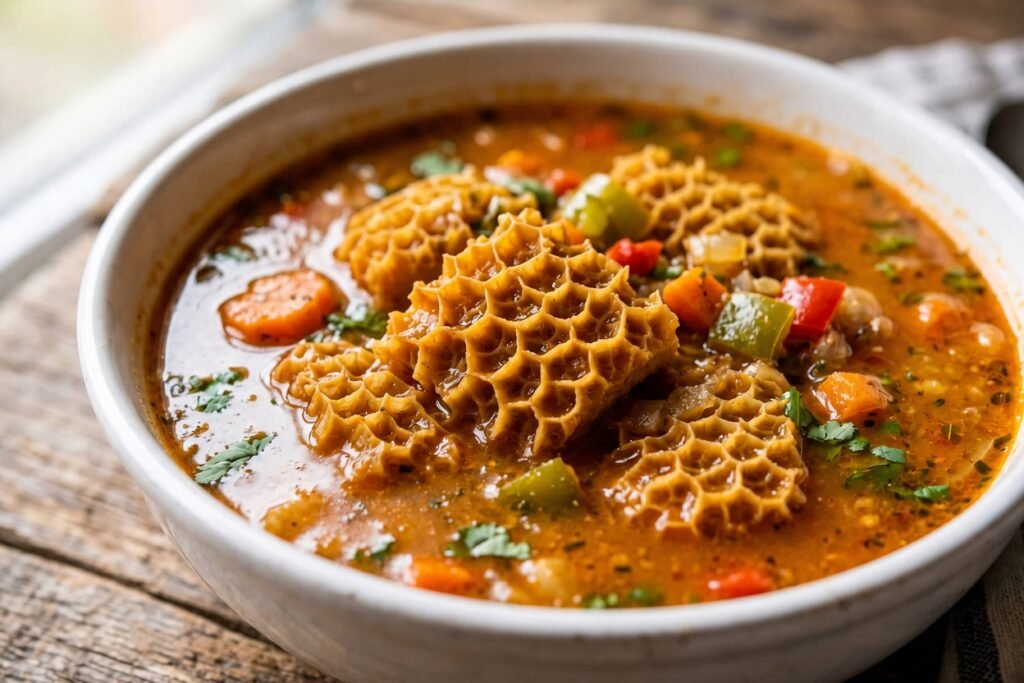
Mondongo is found in several parts of Latin America and the Caribbean, with recipes changing considerably from one country or region to another. Some versions are brothy, while others are closer to a thick stew. Ingredients can include beef or pork tripe, vegetables, herbs, root vegetables, chickpeas, plantains, tomato, peppers, and citrus.
For that reason, the best mondongo soup near you is not necessarily the restaurant with the highest online rating. It is the place that prepares the particular style you enjoy, serves it fresh, and gets the balance of texture, seasoning, and richness right.
What Is Mondongo?
Mondongo is a traditional tripe-based soup or stew. The principal ingredient is usually beef tripe, although some recipes use other types of tripe or additional cuts of meat.
The tripe is generally cleaned, cut into pieces, and slowly cooked until tender. Vegetables and seasonings are then added to create a hearty broth or stew. Common ingredients include onions, peppers, garlic, tomatoes, cilantro, carrots, cabbage, potatoes, squash, cassava, plantains, or other root vegetables.
The exact recipe depends on the country. This is one reason searching for the best mondongo soup near me can produce very different restaurant experiences.
Why People Love It
Mondongo has a distinctive character that separates it from lighter soups.
The long cooking process gives the dish a deep, savory flavor, while the tripe develops a pleasantly chewy and tender texture when prepared correctly.
In Dominican cooking, mondongo is described as a comforting dish that is particularly appreciated on special occasions. A Dominican recipe source also notes that the dish is popular among locals and has variations across Latin America and the Caribbean.
For many diners, the appeal is also cultural. Mondongo is associated with home cooking, family meals, traditional recipes, and regional food heritage.
What Makes the Best Bowl?
Finding the best mondongo is largely about judging a few important details.
First, the tripe should be tender. Properly cooked tripe should not be unpleasantly tough or rubbery.
Second, the broth should have depth. A good bowl should taste as though the ingredients had enough time to cook together rather than tasting like plain water with seasoning added at the end.
Third, the vegetables should retain some character. Potatoes, squash, cassava, carrots, plantains, or other vegetables should be cooked through without completely falling apart.
Finally, seasoning matters. Garlic, onion, peppers, cilantro, oregano, tomato, citrus, and regional seasonings can give mondongo its distinctive personality. Dominican recipes, for example, commonly use citrus, oregano, cilantro, peppers, garlic, potatoes, pumpkin, and tripe.
Main Ingredients
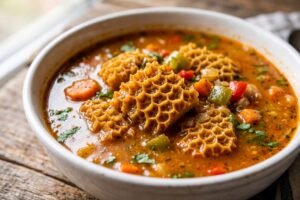
The foundation is usually tripe, often honeycomb tripe from beef.
Restaurants may clean the tripe thoroughly and use citrus such as lemon or lime during preparation. Traditional recipes demonstrate different approaches to cleaning, boiling, and cooking the meat before the final soup or stew is assembled.
Vegetables vary considerably. Potatoes, pumpkin, cassava, yautía, carrots, plantains, chickpeas, celery, and peppers are among the ingredients found in different versions.
Aromatics are equally important. Onion, garlic, cilantro, oregano, peppers, tomato sauce, and other herbs provide the flavor base.
This combination makes mondongo a substantial meal rather than a delicate appetizer.
Dominican Mondongo
Dominican mondongo is one of the best-known versions of the dish.
recipes commonly use beef honeycomb tripe, lemon or lime, onion, garlic, peppers, tomato sauce, potatoes, pumpkin, cilantro, oregano, and other seasonings.
Some preparations are served with white rice, hot sauce, and lime, creating a complete and filling meal.
If you are searching for the best mondongo near you and find a Dominican restaurant, ask whether the kitchen prepares Dominican-style mondongo. That simple question can help you understand what kind of flavor profile to expect.
Puerto Rican Mondongo
Puerto Rican mondongo has its own distinctive combination of ingredients.
Traditional Puerto Rican recipes can include beef tripe, ham, recaito, tomato sauce, alcaparrado, yautía, cassava, pumpkin, plantain, and other root vegetables.
The preparation can take several hours because the tripe needs sufficient cooking time to become tender.
A Puerto Rican bowl can therefore be especially hearty, with a combination of savory broth, root vegetables, citrus notes, herbs, and rich meat flavors.
If you prefer a soup with plenty of vegetables and substantial ingredients, this style may be worth seeking out.
Colombian and Other Styles
Mondongo is not limited to the Dominican Republic and Puerto Rico.
Versions of the dish are also associated with Colombia, Venezuela, Honduras, Nicaragua, Costa Rica, Panama, and other areas.
The differences can be substantial. Some recipes are more soup-like, while others resemble a thick stew.
Panamanian versions, for example, can include onions, carrots, chickpeas, bay leaves, chorizo, or salted pork products and may be served with white rice.
Central American versions can feature root vegetables, green plantains, squash, peppers, and other locally available ingredients. A Costa Rican government recipe, for example, includes cassava, green plantains, tiquizque, squash, ñampi, peppers, and dumplings.
How to Find the Best Mondongo Soup Near Me
When searching locally, don’t rely on the phrase “mondongo soup” alone.
Try searches such as:
- best mondongo near me
- Dominican mondongo near me
- Puerto Rican mondongo near me
- Colombian mondongo near me
- Latin American restaurants near me
- tripe soup near me
- sopa de mondongo near me
This approach can reveal restaurants that don’t use “mondongo soup” in their main business description but still serve the dish.
Restaurant menus are especially useful because they can tell you whether the dish is available every day or only on certain days.
Check the Menu
Before choosing a restaurant, look at the menu carefully.
A good listing should tell you whether the dish is soup, stew, or a thicker preparation.
It may also identify the regional style or major ingredients.
If the menu simply says “mondongo,” you can contact the restaurant and ask what is included. This is particularly useful if you have dietary restrictions or dislike certain ingredients.
Ask about the tripe, vegetables, spice level, serving size, and typical side dishes.
A quick question can save you from ordering something very different from what you expected.
Flavor and Texture
Texture is one of the most important factors when judging mondongo.
Well-prepared tripe should be tender with a pleasant chew. It should not require excessive effort to bite through.
The broth should have a balanced flavor. It may be tomato-based, herb-forward, citrusy, spicy, or rich depending on the regional recipe.
Vegetables should complement the tripe rather than overpowering it.
A particularly good bowl creates several textures at once: tender tripe, soft root vegetables, aromatic broth, and fresh garnishes.
Nutrition and Benefits
Mondongo can provide protein and a range of nutrients, depending on the ingredients and portion size.
Tripe itself is an animal protein source, while vegetables can add fiber, vitamins, minerals, and carbohydrates.
However, the nutritional profile varies significantly between recipes. Some preparations contain added salt, cured meat, fatty cuts, or large portions of starchy vegetables.
Therefore, it is better to think of mondongo as a hearty traditional meal, not automatically as a low-calorie or health-focused dish.
If nutrition is important to you, ask about portion size, added meats, salt, and cooking ingredients.
What to Eat With It
Mondongo is often served with accompaniments that complement its rich flavor.
White rice is common with several regional preparations. Dominican-style recipes may also be served with lime and hot sauce.
Some restaurants may offer plantains, avocado, bread, tortillas, or other regional sides.
Lime or lemon can be particularly useful because the acidity adds brightness to a rich bowl.
Hot sauce is another popular option, although the ideal amount depends on your tolerance for spice.
Price and Portions
Prices for mondongo vary according to the city, restaurant, portion size, and local ingredient costs.
A casual neighborhood restaurant may offer a generous bowl as an affordable main course, while a specialty Latin American restaurant may charge more.
Instead of choosing solely based on price, consider portion size and preparation quality.
A larger serving isn’t necessarily better if the tripe is poorly cooked or the broth lacks flavor.
For this dish, quality of preparation is usually more important than getting the largest possible bowl.
Who Should Try It?
Mondongo is particularly suitable for people who enjoy traditional Latin American and Caribbean cuisine and are comfortable trying tripe.
It can also appeal to diners who prefer hearty soups rather than light vegetable broths.
If you have never eaten tripe before, start with a smaller portion if possible. The texture is very different from chicken, beef steak, or ordinary soup ingredients.
People who dislike organ meats may not enjoy the dish, even when it is expertly prepared.
The best approach is to try a reputable restaurant known for the particular regional style you want.
Common Ordering Mistakes
One common mistake is assuming every mondongo tastes the same.
It doesn’t.
Dominican, Puerto Rican, Colombian, Panamanian, and other versions can have noticeably different ingredients and textures.
Another mistake is ordering without checking whether the restaurant serves the dish fresh or whether it is a daily special.
Some traditional restaurants prepare certain dishes only on particular days.
It is also worth asking about spice levels and side dishes before ordering.
How Restaurants Prepare It
The cooking process is one reason authentic mondongo can take considerable time.
The tripe is cleaned and commonly boiled until tender before being combined with vegetables and seasonings. Some recipes call for two or more hours of cooking, while others use different techniques.
The exact method depends on the kitchen.
Some chefs prepare a rich base with onion, garlic, peppers, tomato, and herbs before adding the meat and vegetables.
Others rely more heavily on root vegetables, citrus, peppers, or regional spice blends.
The goal is consistent: transforming a relatively firm ingredient into a tender, flavorful component of a satisfying stew or soup.
Cultural Importance
Mondongo represents more than a recipe.
Across Latin America and the Caribbean, dishes made from tripe and other less commonly used cuts have been incorporated into local food traditions. The ingredients, seasonings, and preparation techniques reflect regional agriculture and culinary history.
The dish also demonstrates how families adapted available ingredients into substantial, comforting meals.
Recipes passed through families can vary from one household to another. Even within the same country, one cook may prefer more vegetables while another makes a richer broth.
That variety is part of what makes searching for the best mondongo soup near me interesting.
How to Judge a Restaurant
When you finally visit a restaurant, consider five things:
1. Tenderness: Is the tripe cooked properly?
2. Flavor: Does the broth have depth?
3. Balance: Are vegetables and seasonings working together?
4. Freshness: Does the dish taste freshly prepared?
5. Authenticity: Does it represent the regional style the restaurant claims to serve?
Customer reviews can help, but personal taste matters.
A restaurant with hundreds of positive reviews may specialize in a style you don’t personally prefer. Look specifically for reviews mentioning mondongo, rather than judging the restaurant only by its overall rating.
Final Verdict
The phrase “best mondongo soup near me” is really a search for the right combination of authentic preparation, tender tripe, flavorful broth, fresh ingredients, regional character, and satisfying portions.
Mondongo is a diverse dish rather than a single standardized recipe. Dominican preparations can feature citrus, oregano, pumpkin, potatoes, peppers, and cilantro, while Puerto Rican versions may include root vegetables, ham, recaito, tomato sauce, and chickpeas. Other Latin American versions have their own distinctive ingredients and techniques.
If you’re looking for the best bowl locally, first decide which style you want, then compare menus, reviews, preparation details, and restaurant reputation.
Most importantly, give the dish enough respect for what it is: a traditional, slow-cooked comfort food with a long culinary history and many regional interpretations.
FAQs
1. What is mondongo soup?
Mondongo soup is a traditional Latin American and Caribbean soup or stew made primarily with tripe, often combined with vegetables, herbs, spices, and root vegetables.
2. What does mondongo taste like?
Mondongo generally has a rich, savory flavor with a distinctive chewy-tender texture. The exact taste depends on the country’s recipe and ingredients used.
3. Is mondongo the same everywhere?
No. Dominican, Puerto Rican, Colombian, Panamanian, and Central American versions can differ considerably in seasoning, vegetables, thickness, and accompaniments.
4. What should I look for in the best mondongo near me?
Look for tender tripe, a flavorful broth, fresh vegetables, balanced seasoning, and a restaurant with positive reviews specifically mentioning its mondongo.
5. What is usually served with mondongo?
Depending on the regional style, mondongo can be accompanied by white rice, lime, hot sauce, plantains, avocado, or other traditional sides.