Best Api Con Pastel Near Me: What to Look for in a Traditional Bolivian Breakfast
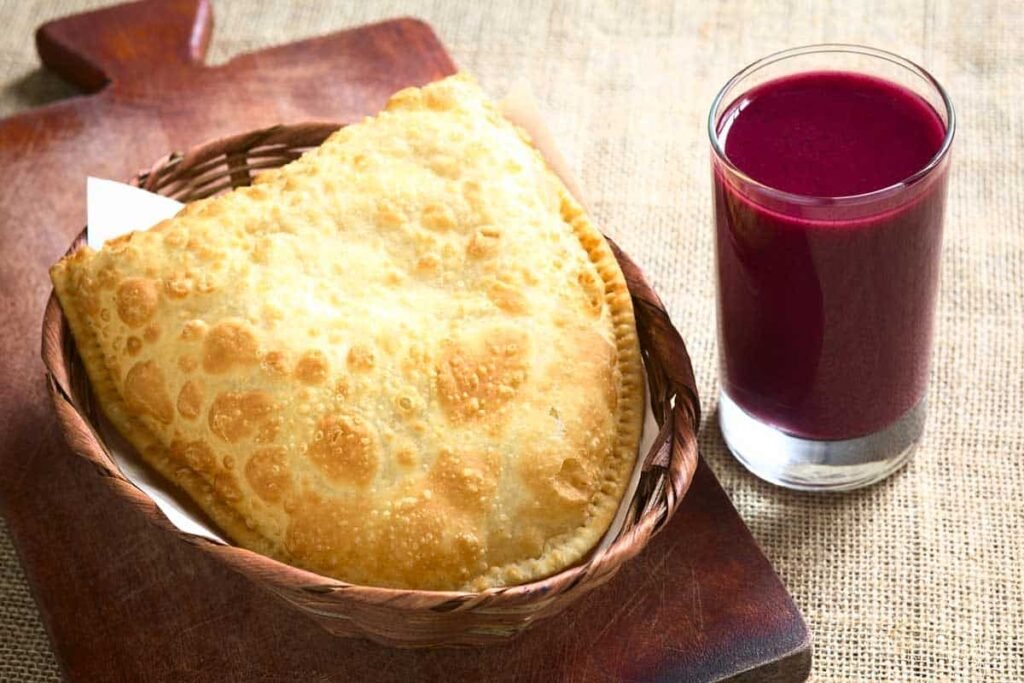
Api con pastel brings together two simple but distinctive foods. Api is a hot, thick corn-based drink, often made from purple corn and flavored with spices such as cinnamon and cloves. Pastel generally refers to a thin fried pastry filled with cheese and often finished with powdered sugar.
The combination creates an appealing contrast: the api is warm, sweet and aromatic, while the pastel provides a crisp exterior and salty, melted cheese inside.
For someone searching locally, however, finding a good serving is about more than choosing the closest restaurant. Freshness, preparation, texture, temperature, and authentic ingredients all matter.
What Is Api Con Pastel?
Api con pastel is a traditional Bolivian breakfast and street-food combination. It is particularly associated with the Andean region and can be found at markets, food stalls, breakfast establishments, and restaurants.
The api is commonly prepared using ground purple corn, water, sugar, cinnamon, cloves, and sometimes citrus peel. The mixture is cooked until it develops its characteristic thick consistency.
The pastel is made separately. A flour-based dough is rolled very thin, filled with cheese, sealed, and fried until it becomes golden and often puffs during cooking.
The finished pastry may be sprinkled with sugar before being served alongside the hot api.
That sweet-and-savory combination is one of the reasons the dish has such a recognizable identity.
A Bolivian Tradition
Api con pastel is more than a convenient breakfast. It has a strong connection with Bolivian everyday food culture, particularly in Andean communities.
Sources describing the dish frequently connect it with places such as Oruro and La Paz, where hot api and fried pastries are sold by vendors and enjoyed as breakfast or a warming snack.
The tradition also has a strong family element. Unitel profiled Patricia Reyes, a vendor who prepares api using a recipe inherited from her grandmother and continued through her mother and herself. Her offerings included different types of api and cheese-filled pasteles.
Stories like this show why traditional food cannot always be separated from the people who prepare it.
A good api con pastel can carry a sense of place, family, and memory along with its flavor.
The Api
The word api commonly refers to a thick, hot corn-based beverage. Purple api, or api morado, is particularly recognizable because of its deep color.
Traditional recipes use purple corn together with spices such as cinnamon and cloves. Some versions also include orange or lemon peel for a subtle citrus note.
The consistency is important. Api should not feel like ordinary fruit juice or thin tea. It has a thicker, almost porridge-like body.
The flavor is generally sweet and warmly spiced, although individual vendors can adjust the sugar and seasoning.
There are also different varieties. Unitel’s profile of an Oruro vendor, for example, mentions both white and purple api, as well as tojorí.
The Pastel
The pastel is the perfect companion because it provides the texture that the drink lacks.
A typical cheese pastel begins with a wheat-flour dough. The dough is rolled very thin, filled with cheese, folded, sealed carefully, and fried in hot oil.
Recipes commonly recommend a very thin dough because it helps the pastry puff and develop a crisp exterior during frying.
The inside should contain enough cheese to create a satisfying filling without making the pastry difficult to seal.
Once fried, the pastel is usually drained and may be finished with powdered sugar.
That final touch creates a surprisingly effective contrast between the salty cheese and the sweetness of the sugar.
What Makes the Best One?
When searching for the best api con pastel near me, look beyond the restaurant’s overall rating.
Start with freshness.
Api is traditionally served hot, and the temperature contributes strongly to the experience. A freshly prepared cup should feel warming without being served at an unsafe temperature.
The drink should also have a balanced consistency. It should be thick enough to feel substantial but still easy to drink.
The pastel deserves equal attention.
A good pastel should be crisp outside, tender inside, and generously filled with melted cheese.
If the pastry feels excessively greasy, has a stale texture, or contains very little filling, the experience will not be the same.
Finding It Near You
The keyword “best api con pastel near me” has clear local-search intent. If you are trying to locate the dish, begin by searching specifically for Bolivian restaurants, Bolivian bakeries, Latin American breakfast spots, and traditional food markets in your area.
Do not assume that every Latin American restaurant serves api con pastel. It is a specifically Bolivian combination, so checking the menu is worthwhile.
Recent reviews can provide useful information about freshness, portion size, service, and authenticity.
Photos can also help. Look for images showing a visibly thick, colorful api served with a freshly fried cheese pastel.
If a restaurant has several recent reviews mentioning api, pastel, Bolivian breakfast, or cheese pastries, that can be a useful sign that the item is actually part of its regular offering.
What to Ask Before Ordering
If you have never tried api con pastel before, asking a few questions can make the first experience easier.
You can ask whether the api is purple or white, how sweet it is, and whether it contains particular spices.
For the pastel, ask what type of cheese is used and whether it is prepared fresh.
You may also want to ask whether the pastel contains additional ingredients such as ají. Unitel’s profile of Patricia Reyes, for example, mentions both ordinary cheese pasteles and a version with cheese and ají.
If you prefer mild food, checking the filling first is a sensible idea.
Why People Love It
One reason api con pastel remains popular is its ability to feel like a complete breakfast without requiring a complicated menu.
The hot drink provides warmth and sweetness, while the fried pastry supplies carbohydrates, fat, and cheese.
It is particularly appealing during cold mornings and cooler seasons. The combination is substantial enough to provide a satisfying start to the day.
There is also an important sensory contrast.
You get the smooth, warm texture of the api followed by the crunchy exterior and soft cheese center of the pastel.
The experience is as much about texture as flavor.
Nutritional Considerations
Api con pastel is best viewed as a traditional, substantial breakfast rather than a light drink.
The api provides carbohydrates from corn and added sugar, while the pastel contains flour, cheese, and oil from frying.
The precise nutritional value varies according to the recipe, serving size, cheese, sugar, and frying method.
Some published recipes list calorie estimates, but these should not be treated as universal figures because restaurant preparation can vary significantly.
If you are monitoring sugar, fat, calories, or sodium, ask about portion sizes and preparation.
The key is moderation rather than assuming that every serving has exactly the same nutritional profile.
Regional Variations
One interesting part of searching for the best api con pastel is that there is no single recipe used everywhere.
Purple api is perhaps the most recognizable version, but white api and tojorí are also mentioned in Bolivian food traditions.
The pastel can also vary.
Some are filled with relatively mild cheese, while others may include additional seasoning or ají. The dough can differ in thickness, and the amount of sugar added after frying is also a matter of preference.
These differences do not necessarily mean one version is wrong.
Regional and family variations are part of what keeps traditional food interesting.
How It Is Prepared
The api begins with corn-based ingredients and water. Depending on the recipe, the corn is soaked or mixed before being cooked with spices.
Cinnamon and cloves are common flavorings, while citrus peel may provide another aromatic layer. The mixture is stirred during cooking until it reaches the desired thickness.
The pastel follows a different process.
Flour, salt, sugar, fat, and water are combined to make the dough. The dough is rolled thin, filled with cheese, sealed carefully, and fried in hot oil.
Recipes specifically emphasize sealing the edges properly so the cheese does not escape during frying.
The finished pastel is drained and can be dusted with powdered sugar.
Why Freshness Matters
Freshness may be the biggest difference between an average serving and an excellent one.
Api is intended to be served hot. Pasteles are at their best shortly after frying because their exterior is crisp and their cheese filling remains warm.
A pastel that has been sitting for a long time can lose its crunch and become heavier.
For this reason, busy local vendors can sometimes offer an especially appealing experience because the pastries may be fried continuously during breakfast hours.
When searching online, recent reviews mentioning fresh preparation can be more helpful than very old reviews.
Common Mistakes
Several problems can affect api con pastel.
A watery api can lack the characteristic body people expect. On the other hand, excessive thickness can make it difficult to drink comfortably.
The seasoning can also become unbalanced. Too much sugar may overpower the corn and spices, while too little can make the drink seem flat.
For the pastel, oil temperature is critical. Oil that is not hot enough can leave the pastry greasy, while excessively hot oil can brown the outside before the dough and cheese are properly heated.
Poor sealing is another issue because melted cheese can leak into the oil.
When to Enjoy It
Api con pastel is strongly associated with breakfast, but there is no reason to restrict it to the morning.
It can work as a warming snack, especially during cold weather, or as part of a traditional food experience when visiting a Bolivian community.
The combination is particularly suitable for people who enjoy savory pastries alongside sweet or spiced drinks.
If you are trying it for the first time, ordering the traditional pairing is the easiest way to understand why it became such a recognizable combination.
Making It at Home
You can prepare api con pastel at home if you have access to purple corn or purple corn flour, basic spices, flour, cheese, and frying oil.
For the drink, recipes commonly combine purple corn with water, cinnamon, cloves, sugar, and sometimes citrus peel.
For the pastel, prepare a soft dough, roll it thin, add cheese, seal the edges, and fry until golden.
One important point is to serve the two components immediately.
The api should remain hot and the pastel should retain its crisp texture.
Cultural Importance
Food traditions often survive because people continue preparing them at home and selling them in local communities.
Api con pastel is a good example.
Unitel’s story about Patricia Reyes shows how a family recipe can move from one generation to another while remaining part of everyday food culture.
The combination also appears in festive settings. A 2025 cultural article about Alasitas describes api con pastel as a classic Bolivian food associated with the celebration.
This connection with markets, celebrations, vendors, family recipes, and cold mornings gives the dish an identity beyond its ingredients.
Quick Facts
| Detail | Information |
| Dish | Api con pastel |
| Cuisine | Bolivian |
| Main drink | Api |
| Common api ingredient | Purple corn |
| Common spices | Cinnamon and cloves |
| Common pastry | Fried cheese pastel |
| Main pastry ingredient | Wheat flour |
| Typical filling | Cheese |
| Serving style | Hot api with fried pastel |
| Common occasion | Breakfast or snack |
| Known varieties | Purple api, white api, tojorí |
| Flavor profile | Sweet, spiced, savory, cheesy |
| Popular setting | Markets, vendors, breakfast spots |
The requested details such as age, height, family, physical appearance, net worth, and social media do not apply to api con pastel, because the keyword refers to a traditional food rather than an individual person. For this subject, ingredients, preparation, cultural background, variations, and local restaurant selection are the useful details.
Final Thoughts
Finding the best api con pastel near me is about finding the right combination of tradition, freshness, flavor, and preparation.
Look for a place that serves hot, well-seasoned api alongside a freshly fried cheese pastel. Check recent customer feedback, compare menus, and ask questions if you are unfamiliar with the restaurant.
The best serving should give you a warm, aromatic drink with a satisfying corn flavor and a crisp pastry containing melted cheese.
For anyone interested in Bolivian food, api con pastel is worth trying because it represents something more meaningful than a simple breakfast. It combines everyday comfort food with Andean culinary tradition and the personal touch of local vendors and family recipes.
Whether you encounter it at a Bolivian restaurant, a market, a community festival, or a neighborhood food stall, the combination offers a simple introduction to an important part of Bolivian food culture.
FAQs
What is api con pastel?
Api con pastel is a traditional Bolivian breakfast combination consisting of hot, spiced corn-based api served with a fried pastry, usually filled with cheese.
What is api made from?
Traditional api is commonly made with purple corn or corn flour, water, sugar, cinnamon, and cloves. Some recipes also use orange or lemon peel.
What is inside a Bolivian pastel?
A traditional pastel is generally made from thin wheat-flour dough and filled with cheese before being fried until crisp. Some variations include additional ingredients such as ají.
Is api con pastel sweet or savory?
It is both. The api is generally sweet and spiced, while the cheese-filled pastel is savory. Powdered sugar on the pastry adds another layer of sweetness.
How can I find the best api con pastel near me?
Search specifically for Bolivian restaurants, bakeries, markets, and food vendors, then compare current menus and recent reviews. Prioritize places known for fresh api and freshly fried cheese pasteles.