Best Sopa Criolla Near Me: Understanding This Classic Peruvian Comfort Food
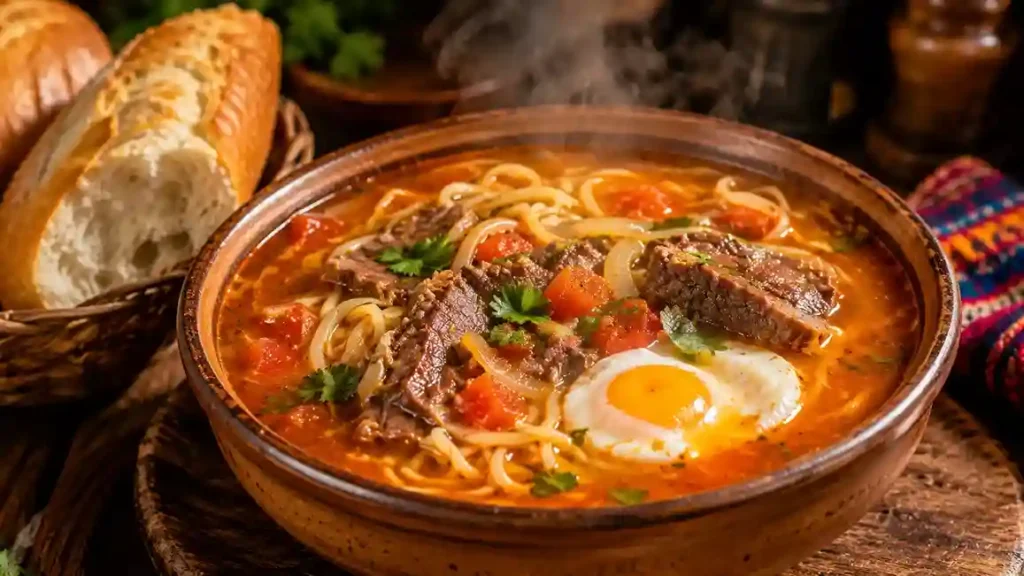
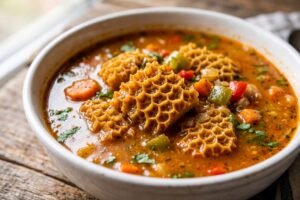
Sopa criolla is one of Peru’s familiar comfort foods. A traditional version commonly combines beef, ají panca, tomato, onion, garlic, thin noodles, oregano, evaporated milk, and an egg. Some versions are finished with toasted bread or croutons.
The exact recipe can differ from one cook or restaurant to another. That is part of the appeal. Some kitchens make the broth darker and more intensely seasoned, while others produce a gentler, creamier bowl.
If you are trying to choose a nearby restaurant, the key is knowing what makes sopa criolla taste balanced and authentic.
What Is Sopa Criolla?
Sopa criolla is a traditional Peruvian beef and noodle soup, generally associated with the country’s criollo culinary tradition. It is particularly known for its combination of savory beef broth, thin noodles, ají panca, tomato-based seasoning, and egg.
Peruvian recipes from established food sources commonly include beef, onion, garlic, tomato, ají panca, angel-hair noodles, evaporated milk, oregano, and eggs.
The finished soup is usually served hot, with the egg placed on top or gently cooked in the soup. Toasted bread can provide an additional crunchy texture against the soft noodles and rich broth.
That contrast is important. A good bowl should not feel like several unrelated ingredients thrown together. The broth, meat, noodles, seasoning, and egg should work as one dish.
A Taste of Peru
Sopa criolla reflects the layered history of Peruvian cooking. Food references describe it as a classic preparation associated with Lima and the country’s criollo food traditions, with influences from European culinary traditions alongside local ingredients.
The dish is also closely connected with home-style cooking. Peruvian chef Martha Palacios has described learning sopa criolla as a child through her family’s restaurant experience in central Lima. Her version emphasizes a good beef stock, quality meat, ají, and oregano.
This background helps explain why the dish can feel familiar and substantial. It is not designed simply to look attractive on a menu. Sopa criolla is fundamentally comfort food with a strong culinary identity.
What Goes Into It?
The ingredients may appear simple, but their preparation has a major effect on the final taste.
Beef
Beef gives the soup its main savory character. Restaurants may use finely chopped beef, thin strips, or ground beef depending on their recipe.
Quality matters. Tough meat can make an otherwise excellent soup disappointing, while tender beef contributes both texture and flavor.
Ají Panca
Ají panca is one of the defining ingredients. This Peruvian chile contributes a deep red color and a distinctive savory, mildly fruity, smoky character.
Sopa criolla does not necessarily have to be extremely hot. The purpose of ají panca is not simply to create heat. It contributes depth to the seasoning.
Noodles
Thin cabello de ángel, or angel-hair pasta, is commonly used. These delicate noodles cook quickly and absorb the surrounding broth.
They should remain tender without becoming excessively soft. Several recipes specifically emphasize avoiding overcooked pasta because texture is important to the finished soup.
Egg
The egg is one of the dish’s most recognizable finishing elements.
Depending on the restaurant, you may receive a fried egg, poached egg, or an egg cooked directly in the soup. A runny or gently cooked yolk can add richness to the broth.
Evaporated Milk
Many traditional-style recipes include evaporated milk, although not every version uses the same quantity.
It softens the intensity of the tomato and chile while giving the broth a slightly creamy character without turning it into a heavy cream soup.
Oregano
Oregano provides an aromatic finishing note. Peruvian recipes frequently treat dried oregano as an important seasoning rather than an afterthought.
Bread
Toasted or fried bread is often served alongside or on top of sopa criolla. It adds a pleasant crunch and gives the meal even more substance.
What Makes the Best Sopa Criolla?
When searching for the best sopa criolla near me, do not judge a restaurant only by photographs.
Start with the broth.
A good broth should taste developed rather than watery. The beef, tomato, onion, garlic, chile, and seasoning should create a savory base with enough character to support the noodles and egg.
Balance is more important than intensity.
A soup that is extremely salty or aggressively spicy is not necessarily better. The ají should contribute flavor, the beef should remain noticeable, and the milk should soften the broth rather than dominate it.
The noodles are another useful test. They should be cooked through but retain some structure.
Finally, pay attention to the egg. A properly cooked egg can bring richness and contrast to the bowl.
How to Find the Best Sopa Criolla Near Me
The phrase “near me” has strong local-search intent. Instead of choosing the first restaurant that appears, compare several nearby options.
Start by searching for Peruvian restaurants in your area and checking whether sopa criolla appears on their current menu.
Look at recent customer reviews rather than relying entirely on older ratings. Reviews can provide useful clues about portion size, temperature, freshness, service, and consistency.
Menu descriptions are also valuable. A restaurant that clearly lists ingredients such as beef, ají panca, angel-hair noodles, egg, and evaporated milk gives you a better idea of what style of soup it serves.
Food photographs can help, but they should not be the only deciding factor. A beautiful photograph does not tell you whether the broth is properly seasoned or whether the noodles are overcooked.
If possible, compare two or three local Peruvian restaurants before choosing.
Questions to Ask Before Ordering
If you are unfamiliar with the restaurant, a few simple questions can prevent disappointment.
Ask whether the sopa criolla is prepared fresh and whether the egg comes with the standard serving.
If you do not tolerate spicy food well, ask how much ají is used. Ají panca is generally used for flavor as well as chile character, but individual restaurant recipes vary.
You can also ask whether the soup contains evaporated milk. This is particularly useful for people avoiding dairy.
Another useful question concerns the noodles. If you are ordering takeaway, ask how the restaurant packages them because thin noodles can continue absorbing broth after cooking.
Why People Love Sopa Criolla
There is a practical reason sopa criolla remains popular: it is both comforting and filling.
The beef and egg provide protein, while noodles contribute carbohydrates. The hot broth makes it especially appealing during cooler weather or when someone wants a substantial meal without ordering several separate dishes.
It also has an emotional side.
Many traditional foods are remembered because they are connected with family kitchens, neighborhood restaurants, childhood meals, or familiar aromas. Sopa criolla fits naturally into that category.
Peruvian food publications frequently describe it as a comforting dish associated with cold weather and home-style meals.
Nutritional Considerations
Sopa criolla can be a substantial meal rather than a light appetizer.
Beef and egg contribute protein, while noodles provide carbohydrates. Milk can add additional calories and nutrients. However, the nutritional profile varies considerably depending on the amount of beef, noodles, oil, milk, and salt used.
One published recipe estimates approximately 480 calories per serving, with around 30 grams of protein, although this figure applies to that specific recipe rather than every restaurant version.
Restaurant portions may be larger or richer.
If you are watching sodium, calories, fat, or dairy intake, ask about preparation and portion size rather than assuming every bowl has the same nutritional value.
Sopa Criolla vs Other Peruvian Soups
Peruvian cuisine has an impressive variety of soups, and they should not all be judged by the same standard.
Sopa criolla is generally recognized by its beef, thin noodles, ají panca-based seasoning, and egg.
Caldo de gallina is a chicken-based soup that is typically associated with a different flavor profile and preparation.
Parihuela is a seafood-centered soup with a completely different character.
Chupe refers to a broad family of hearty Peruvian soups and stews that can contain various combinations of seafood, vegetables, dairy, eggs, and other ingredients.
This is why someone searching specifically for the best sopa criolla near me should check the exact menu item rather than simply searching for “Peruvian soup.”
Common Mistakes
A restaurant can use all the traditional ingredients and still produce an average bowl.
One common mistake is overcooking the noodles. Thin pasta can quickly lose its texture.
Another is using a weak stock. Because broth forms the foundation of the dish, insufficiently developed stock can make the entire bowl taste flat.
Too much ají can also overwhelm the other flavors. The goal should be depth rather than pure heat.
Excessive milk is another potential problem. Sopa criolla should retain its savory character rather than becoming a generic creamy soup.
Finally, serving temperature matters. This is a soup intended to be enjoyed hot, and freshness can make a significant difference.
When Is the Best Time to Order It?
There is no strict season for sopa criolla.
It can work beautifully as a warming lunch, satisfying dinner, or comforting evening meal.
Cool weather naturally makes hot soup appealing, but traditional Peruvian recipes treat sopa criolla as a dish that can be enjoyed throughout the year. Martha Palacios has similarly described it as an all-year soup rather than something restricted to winter.
If you are ordering it for the first time, lunch can be a good opportunity because many Peruvian restaurants feature substantial traditional dishes during midday service.
Can You Make Sopa Criolla at Home?
Absolutely.
A basic homemade version can be made with beef, onion, garlic, tomato, ají panca, beef stock, angel-hair noodles, evaporated milk, oregano, and eggs.
The general process begins by developing the onion, garlic, tomato, and ají seasoning. Beef is then incorporated before the stock is added. Once the broth develops, the noodles are cooked until tender, followed by the milk and egg.
Recipes from Oster and Peruvian food publications use variations of this same basic structure.
The most important point is timing.
Do not cook the noodles too early, particularly if you plan to let the soup sit before serving. They can continue absorbing liquid and become overly soft. Oster specifically recommends eating the soup soon after preparation for this reason.
Quick Facts
| Detail | Information |
| Dish | Sopa criolla |
| Cuisine | Peruvian |
| Style | Traditional criollo soup |
| Main protein | Beef |
| Common noodles | Angel-hair pasta |
| Signature chile | Ají panca |
| Common topping | Egg |
| Common dairy ingredient | Evaporated milk |
| Key seasoning | Oregano |
| Optional accompaniment | Toasted or fried bread |
| Typical character | Savory, warming, rich and mildly spicy |
| Best search intent | Finding a nearby Peruvian restaurant serving the dish |
The requested details such as age, height, family, physical appearance, and net worth do not apply to sopa criolla, because it is a traditional food rather than a person. For this topic, ingredient history, preparation, cultural background, restaurant quality, and nutritional considerations are more relevant.
Final Thoughts
Finding the best sopa criolla near me is ultimately about looking beyond a restaurant’s star rating.
Pay attention to the ingredients, preparation style, customer comments, portion size, freshness, and whether the restaurant specializes in Peruvian cuisine.
A satisfying bowl should bring together rich beef flavor, aromatic ají panca, tender noodles, balanced seasoning, a properly cooked egg, and a warm, well-developed broth.
Sopa criolla may look simple, but its appeal comes from the way those ingredients work together. That combination of comfort, tradition, and strong Peruvian character is what makes it worth seeking out.
When comparing nearby restaurants, choose the place that appears committed to the dish rather than simply listing it as another menu item. Recent reviews, a clear ingredient description, and signs of fresh preparation can provide useful clues.
And when you finally find a bowl that gets the broth, noodles, beef, seasoning, and egg right, you will understand why this humble Peruvian soup has remained such a beloved comfort food.
FAQs
What is sopa criolla?
Sopa criolla is a traditional Peruvian beef and noodle soup commonly prepared with ají panca, tomato, onion, garlic, oregano, thin noodles, evaporated milk, and egg.
Is sopa criolla spicy?
It can have a mild to moderate chile character, but it is not necessarily extremely spicy. Ají panca contributes flavor, color, and depth as well as heat.
Does sopa criolla contain milk?
Many traditional recipes include evaporated milk, although preparation varies between cooks and restaurants. Ask the restaurant before ordering if you need to avoid dairy.
What should I look for when choosing the best sopa criolla near me?
Look for a Peruvian restaurant with recent positive reviews, fresh preparation, balanced broth, properly cooked noodles, quality beef, and a clearly described sopa criolla on its menu.
What is usually served with sopa criolla?
A bowl commonly includes an egg, while toasted or fried bread, croutons, oregano, or a small amount of chile or lime may be served alongside it depending on the restaurant’s style.