Best Tarta de Acelga Near Me: A Guide to Finding This Argentine Classic
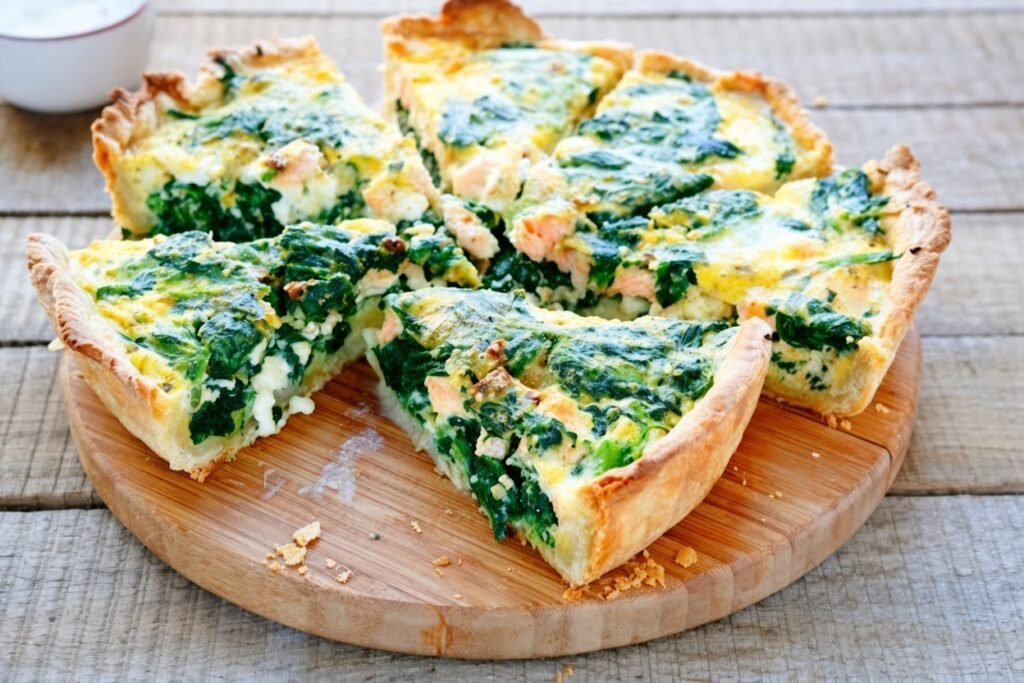
If you are searching for the best tarta de acelga near me, you are likely looking for a savory Argentine tart filled with Swiss chard, eggs, cheese, seasonings, and pastry. The dish is simple, comforting, and closely connected with home-style Argentine cooking.
In the United States, tarta de acelga can be found at some Argentine restaurants, Latin American bakeries, cafés, specialty food shops, and restaurants serving South American dishes. Availability varies by city, so checking current menus before visiting is important.
The phrase “near me” also makes this a local food search. Rather than assuming one restaurant is best for everyone, the better approach is to understand what makes a good tarta de acelga and how to identify a quality version in your area.
What Is Tarta de Acelga?
Tarta de acelga translates roughly to “Swiss chard tart.” It is a savory pastry filled with cooked or finely chopped acelga, eggs, cheese, onions, and seasonings.
Recipes vary considerably. Some versions use ricotta, creamy cheese, or grated cheese, while others include a white sauce or additional vegetables.
Argentine cooking sources show several different approaches. Cocineros Argentinos, for example, prepares the filling with Swiss chard, garlic, onion, cheeses, eggs, milk, pepper, salt, and nutmeg.
The finished tart can be served warm, at room temperature, or cold, making it suitable for lunch, dinner, a light snack, or a shared meal.
Argentine Background
Tarta de acelga is strongly associated with Argentine home cooking and the broader tradition of savory vegetable tarts.
It is also related to the family of dishes commonly called tarta pascualina. Sources discussing Argentine cuisine connect this style of vegetable-filled pastry with Italian immigration during the late nineteenth century.
That history helps explain why the dish feels both Argentine and European in character.
The pastry format, creamy vegetable filling, eggs, and cheese create a meal that is practical and filling without requiring expensive ingredients.
What Does “Best Near Me” Mean?
When someone searches “best tarta de acelga near me,” they are usually looking for a restaurant, bakery, café, or food business that serves a good version of the dish nearby.
But “best” is subjective.
One person may prefer a flaky crust and creamy filling. Another may want a traditional recipe with plenty of Swiss chard, onion, cheese, and nutmeg.
For a useful local search, consider freshness, filling-to-crust ratio, texture, seasoning, ingredient quality, customer reviews, and whether the establishment specializes in Argentine food.
What Makes a Good Tarta?
The first thing to notice is the balance between pastry and filling.
A good tart should not have an excessively thick crust surrounding a tiny amount of filling. At the same time, the pastry needs enough structure to hold the moist vegetable mixture without becoming soggy.
The filling should be flavorful and cohesive. Well-drained Swiss chard is particularly important, because excess moisture can make the pastry soft and prevent the filling from setting properly.
Several Argentine recipes emphasize thorough draining of the cooked chard. Cocineros Argentinos, for example, instructs cooks to drain the vegetable well before combining it with the other ingredients.
Main Ingredients
Although recipes differ, several ingredients appear repeatedly.
Swiss chard is the defining ingredient. Its mild earthy flavor works particularly well with dairy, eggs, onion, garlic, and nutmeg.
Eggs help bind the filling and create a firm but tender texture after baking.
Cheese adds richness and saltiness. Depending on the recipe, this may include grated cheese, ricotta, creamy cheese, or other mild varieties.
Onion and garlic provide additional savory depth.
Finally, nutmeg, black pepper, and salt are common seasonings.
A recipe published by Nestlé Argentina combines Swiss chard with eggs, grated cheese, nutmeg, pepper, and pastry dough.
How It Is Prepared
Preparation normally begins with washing and cooking the Swiss chard.
The vegetable is then drained carefully and chopped. Depending on the recipe, onion and garlic may be sautéed separately before being combined with the chard.
Eggs, cheese, and seasonings are added to create the filling.
The mixture is placed inside a pastry shell. Some recipes use a second pastry layer on top, while others leave the filling exposed.
Cocineros Argentinos has versions using both covered pastry and open-style preparations. One recipe places the filling between two thin pastry layers before baking.
Flavor and Texture
The flavor of tarta de acelga is generally savory, mild, creamy, and slightly earthy.
Swiss chard provides the vegetable character, while cheese and eggs create richness.
Nutmeg adds warmth without necessarily making the dish taste strongly spiced.
The ideal texture is soft and cohesive inside, with pastry that is cooked through and lightly crisp.
A properly prepared tart should not feel watery. In fact, excess liquid is one of the most common problems when preparing this type of dish at home.
Tarta de Acelga in the USA
In the United States, tarta de acelga is not as widely available as pizza, quiche, or spinach pie, but it can appear on menus connected with Argentine and broader Latin American cuisine.
Search for Argentine restaurants, bakeries, cafés, and specialty food stores in your city.
Because restaurants frequently change menus, it is wise to check their current online menu or call before traveling.
You may also find the dish under related names such as Swiss chard tart, Argentine chard tart, vegetable tart, or tarta pascualina.
How to Find It Near You
Start your search with the exact phrase “tarta de acelga near me.”
If that produces limited results, broaden the search to:
- Argentine restaurant
- Argentine bakery
- Argentine café
- Tarta pascualina
- Swiss chard tart
- Argentine savory tart
- Latin American bakery
Then check recent menu information and photographs.
Do not rely solely on an old review or outdated menu, because a restaurant may have stopped serving the dish.
If the restaurant is not clearly Argentine, look carefully at the description to determine whether the dish is actually prepared in an Argentine style.
What to Check on the Menu
A good menu description should tell you at least something about the filling.
Look for words such as acelga, Swiss chard, ricotta, cheese, egg, onion, garlic, nutmeg, pastry, or pascualina.
You may also see variations containing spinach.
A spinach-and-cheese tart is not necessarily the same as traditional tarta de acelga, although the two can be quite similar.
If authenticity matters to you, ask the restaurant whether its recipe is based on an Argentine-style preparation.
Popular Variations
There is no single universal recipe for tarta de acelga.
One version may contain ricotta and grated cheese, while another uses a creamy white sauce.
Cocineros Argentinos publishes a version with Swiss chard, ricotta-style ingredients, grated cheese, nutmeg, and other seasonings, while another version incorporates a white sauce and creamy cheese.
Other recipes include onion, garlic, peppers, spinach, ham, or different cheeses.
These variations are part of the appeal. The dish can be adapted according to family traditions and available ingredients.
Vegetarian Considerations
A basic tarta de acelga is often vegetarian-friendly, particularly when it contains only vegetables, eggs, cheese, and pastry.
However, not every version is vegetarian.
Some recipes include ham or other meat products. A restaurant may also use meat-based stock or prepare the tart in a shared kitchen.
If you follow a vegetarian diet, ask about the full ingredient list and preparation method before ordering.
The same applies to anyone with food allergies or dietary restrictions.
What to Serve With It
Tarta de acelga is substantial enough to serve as a light main course.
For a balanced meal, it can be paired with a fresh green salad, tomato salad, roasted vegetables, or simple seasonal produce.
It can also work as part of a larger Argentine-inspired meal alongside empanadas and other savory dishes.
Because the tart already contains pastry, eggs, and often cheese, lighter side dishes can provide a useful contrast.
A simple salad with a slightly acidic dressing can help balance the richness of the filling.
Benefits of Trying It
The main benefit is culinary: tarta de acelga provides an easy introduction to Argentine home-style food.
It combines familiar ingredients in a format that is different from a typical American vegetable pie.
The dish can also be practical for diners who want something meat-free.
Its filling provides vegetables alongside eggs and cheese, while the pastry makes it satisfying.
However, it should not automatically be described as a “healthy” food simply because it contains Swiss chard. The overall nutritional profile depends on the amount of cheese, eggs, pastry, butter, oil, and serving size.
Freshness Matters
When searching for the best tarta de acelga near you, freshness can make a noticeable difference.
A freshly baked tart should have a pleasant pastry texture and a filling that remains moist without being watery.
If a restaurant serves individual slices, ask whether they were baked that day.
Some establishments may reheat previously prepared portions. That does not necessarily mean the food is poor, but reheating can affect the pastry texture.
A freshly prepared portion will generally provide the best representation of the restaurant’s recipe.
Common Ordering Mistakes
One mistake is assuming that every restaurant calling itself Argentine will automatically have tarta de acelga.
Menus vary widely.
Another is confusing tarta de acelga with ordinary spinach pie or quiche. While they share some ingredients, the recipes and culinary traditions are different.
It is also worth checking portion size. Argentine savory tarts can be served as individual portions or as larger slices designed for sharing.
Finally, if you have dietary restrictions, do not assume the filling is vegetarian or gluten-free without asking.
Tips for First-Time Diners
If you have never tried tarta de acelga, start with a traditional version.
Look for one featuring Swiss chard, egg, cheese, onion, and classic seasonings rather than a heavily modified version.
Ask whether the tart is served warm or at room temperature.
If possible, order a slice before committing to a larger portion.
Pay attention to the pastry. It should hold together without being overly hard, greasy, or soggy.
The filling should taste primarily of vegetables and cheese rather than being dominated by seasoning.
Tarta de Acelga vs. Spinach Pie
The two dishes can look similar, but the principal vegetable is different.
Tarta de acelga uses Swiss chard, while spinach pie uses spinach.
The flavors are also somewhat different. Swiss chard tends to have a slightly more earthy, substantial character, while spinach can taste more delicate.
Recipes can overlap in their use of eggs, cheese, onion, garlic, and pastry.
If you see both on a menu, ordering them side by side can be an enjoyable way to compare the two.
Tarta de Acelga vs. Quiche
Quiche is another dish that may appear similar because it combines pastry with eggs, vegetables, and dairy.
However, classic quiche generally has a custard-like egg and dairy filling, while Argentine tarta de acelga can be more vegetable-forward.
The pastry and preparation style can also differ.
Tarta de acelga is better understood within the tradition of Argentine savory tarts and pascualina rather than simply being labeled an Argentine version of quiche.
Why It Works as Comfort Food
There is something appealing about a dish built from everyday ingredients.
Swiss chard, onions, eggs, cheese, and pastry can become a filling meal without requiring complicated techniques.
That practicality is one reason versions of tarta de acelga appear in Argentine home cooking.
It can be prepared for family lunches, casual dinners, gatherings, or packed meals.
Its versatility is part of its lasting appeal.
Final Thoughts
Searching for the best tarta de acelga near me is a great starting point for anyone interested in Argentine food.
The dish combines Swiss chard, eggs, cheese, seasonings, and pastry into a savory tart that can be enjoyed warm, chilled, or at room temperature.
When looking for it in the USA, begin with Argentine restaurants, bakeries, cafés, and Latin American food businesses. Check current menus, recent reviews, photographs, and portion descriptions before visiting.
Most importantly, look for a tart with well-drained chard, balanced seasoning, a properly cooked filling, and pastry that is crisp without becoming dry.
Once you find a restaurant that prepares it well, tarta de acelga can become an excellent addition to your list of Argentine dishes worth ordering again.
FAQs
What is tarta de acelga?
Tarta de acelga is an Argentine savory tart made with Swiss chard, commonly combined with eggs, cheese, onion, garlic, and seasonings inside pastry.
Where can I find the best tarta de acelga near me?
Look at Argentine restaurants, bakeries, cafés, and Latin American food businesses in your area. Check the current menu because availability can change.
Is tarta de acelga vegetarian?
Many traditional versions are vegetarian, but not every recipe is meat-free. Some variations include ham or other ingredients, so it is best to confirm with the restaurant.
What does tarta de acelga taste like?
It has a savory, mildly earthy and creamy flavor, with Swiss chard balanced by cheese, egg, onion, garlic, and seasonings such as nutmeg.
Is tarta de acelga the same as spinach pie?
No. They can be prepared similarly, but tarta de acelga specifically uses Swiss chard, while spinach pie uses spinach. Their flavors and textures can differ.