Where to Find the Best Hallaca Near Me: Taste, Tradition and Tips
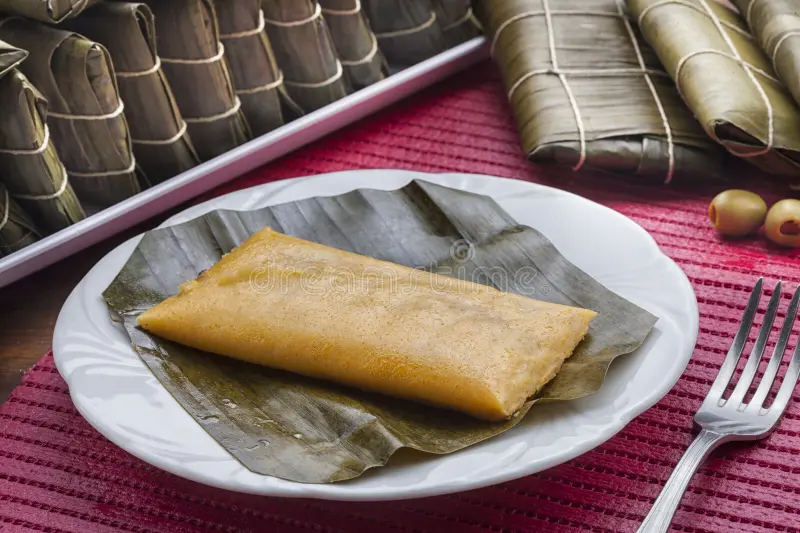
Hallacas are closely associated with Venezuelan Christmas and holiday celebrations. They are made from corn-based dough, filled with a savory stew, wrapped in banana leaves, and cooked until the flavors come together. GOYA describes hallacas as a traditional Venezuelan tamale and a central part of Christmas celebrations.
Finding a good hallaca, however, involves more than choosing the first restaurant that appears in a search result. Ingredients, preparation, freshness, regional style, filling, and the experience of the cook all influence the final taste.
What Does “Best Hallaca Near Me” Mean?
The keyword “best hallaca near me” has a strong local-search intention. Someone using it is usually ready to find, compare, or purchase hallacas from a nearby restaurant, bakery, caterer, food truck, market, or home-based cook.
The word “best” is subjective. One person may prefer a generous meat filling, while another may look for a softer corn dough or a particular balance of olives, raisins, peppers, and capers.
The word “near me” makes location especially important. Restaurants serving hallacas can vary significantly by city, and availability may also change throughout the year. For that reason, checking current opening hours, menus, ordering requirements, and customer reviews is important before making a trip.
What Is a Hallaca?
A hallaca is a traditional Venezuelan dish made with corn-based dough and a seasoned filling, traditionally wrapped in banana leaves and cooked. It resembles other Latin American wrapped corn dishes, but its ingredients, preparation, and cultural importance give it a distinctive Venezuelan identity.
A traditional preparation can contain beef, pork, and chicken together with ingredients such as onions, peppers, olives, capers, and raisins. GOYA’s hallaca recipe follows this style, using a meat filling enclosed in corn dough and wrapped in banana leaves.
The result is a compact parcel with a soft exterior and a richly seasoned interior. The banana leaf contributes aroma during cooking, although it is removed before eating.
Why Hallacas Are Special
Hallacas are not simply an everyday meal for many Venezuelan families. They are strongly connected with Christmas, family gatherings, preparation traditions, and celebrations.
The preparation itself can become a social activity. Families may divide tasks between preparing the filling, making the dough, cleaning the leaves, assembling the parcels, tying them, and cooking them.
This tradition gives hallacas an emotional quality that is difficult to reproduce through mass production. A restaurant-made hallaca may be delicious, but a family recipe can carry its own history and regional character.
Traditional Ingredients
There is no single universal hallaca recipe. Ingredients and proportions can differ between families and regions.
A commonly recognized preparation includes corn-based dough, beef, pork, chicken, onions, peppers, olives, capers, raisins, and banana leaves. Some recipes also include bacon, chickpeas, spices, cooking wine, annatto, or other ingredients.
The dough is generally made from pre-cooked cornmeal and seasoned liquid or broth. Annatto can give the dough its familiar golden color.
The filling is particularly important because it combines several savory and slightly sweet elements. Olives and capers contribute salty, briny notes, while raisins can add sweetness.
What Makes a Great Hallaca?
When searching for the best hallaca near me, start with the balance between dough and filling.
A good hallaca should not have an overwhelming amount of dough with only a tiny portion of filling. At the same time, the filling should be contained neatly without making the parcel difficult to handle.
Texture matters just as much as flavor. The dough should be tender rather than dry or excessively dense. The filling should be moist and well seasoned.
Freshness is another important factor. A freshly prepared hallaca should have a pleasant aroma and cohesive texture rather than tasting stale, excessively dry, or freezer-burned.
How to Find Hallacas Nearby
Local search tools can help identify Venezuelan restaurants, bakeries, caterers, and specialty food businesses offering hallacas.
Search phrases such as “Venezuelan restaurant near me,” “hallacas near me,” “Venezuelan Christmas food near me,” or the more specific “best hallaca near me” can produce different results.
Before visiting, check the business’s current menu or contact the restaurant directly. Hallacas may be seasonal and may not be available every day.
This is particularly important outside the Christmas period because many establishments prepare them in limited quantities or only accept advance orders.
Read Reviews Carefully
Customer reviews can provide useful clues, but they should not be treated as absolute proof of quality.
Look for repeated comments about taste, freshness, filling, portion size, preparation, and authenticity rather than focusing only on star ratings.
Recent reviews are generally more useful than very old ones because menus, cooks, ownership, and recipes can change.
Photographs posted by customers can also provide a practical idea of the hallaca’s size, presentation, dough-to-filling ratio, and appearance.
The Filling
The filling is often the heart of the dish.
A traditional meat-based hallaca can combine beef, pork, and chicken in a seasoned stew. GOYA’s published recipe, for example, uses all three meats and includes peppers, onions, garlic, oregano, cumin, black pepper, olives, capers, raisins, chickpeas, and other ingredients.
The best version is usually about balance rather than simply adding more ingredients.
Savory meat, aromatic vegetables, salty olives and capers, and occasional sweetness from raisins should work together rather than compete.
The Dough
The dough creates the foundation of a hallaca.
Traditional versions use cornmeal, with the dough seasoned and colored using ingredients such as annatto. GOYA notes that hallacas generally begin with pre-cooked cornmeal, which is kneaded and used to wrap the filling.
A well-prepared dough should be soft enough to eat comfortably but strong enough to hold the filling during cooking.
If the dough is too thick, it can dominate the dish. If it is too thin or poorly prepared, the hallaca may lose its structure.
Banana Leaves
Banana leaves are an important part of traditional hallaca preparation.
The dough and filling are placed on prepared leaves, which are folded around the mixture before cooking. The leaves are not normally eaten; they function as the outer cooking wrapper.
GOYA’s recipe specifically describes cleaning and preparing the leaves before assembling the hallacas.
The wrapping process also helps give hallacas their recognizable appearance.
Regional and Family Variations
One of the most interesting things about hallacas is that recipes can vary from family to family.
Some preparations may contain more meat, while others emphasize particular vegetables, olives, raisins, or other additions.
Family traditions can influence the seasoning and filling considerably. This means that an excellent hallaca in one Venezuelan household may taste noticeably different from another.
That variation is part of the charm. When searching for the best hallaca near you, asking the seller about the recipe’s regional or family background can make the experience more interesting.
When Hallacas Are Usually Available
Hallacas are strongly associated with Christmas and New Year celebrations in Venezuela. GOYA describes them as a dish that is central to Venezuelan Christmas and notes their connection with holiday celebrations.
For that reason, availability can be highly seasonal.
During the holiday period, restaurants, caterers, bakeries, and home cooks may prepare larger quantities. Outside that period, availability may be limited.
If you want hallacas for a party or family gathering, advance ordering is often a sensible option.
What to Eat With Hallacas
Hallacas can be served as part of a larger Venezuelan Christmas meal.
The exact accompaniments vary according to family tradition and location. They may be enjoyed alongside other festive foods and drinks.
For a first-time diner, it is worth asking the restaurant what it traditionally serves with its hallacas.
This can provide a fuller introduction to Venezuelan holiday cuisine rather than treating the hallaca as an isolated dish.
Homemade vs. Restaurant Hallacas
A restaurant hallaca offers convenience. You can order one without spending hours preparing the filling, dough, leaves, and individual parcels.
A homemade hallaca, on the other hand, can offer a deeper connection to family tradition. The preparation itself is often part of the holiday experience.
Neither approach is automatically better. A skilled restaurant or caterer can produce excellent hallacas, while a family recipe may have a unique flavor that reflects generations of cooking.
The best choice depends on whether your priority is convenience, tradition, quantity, or a particular flavor profile.
Tips for Ordering
Before ordering the best hallaca near you, consider several practical questions.
First, ask whether the hallacas are freshly made or frozen. Frozen hallacas can still be excellent when properly prepared and reheated, but you may prefer freshly cooked food.
Second, ask about the filling. If you have dietary restrictions or ingredient preferences, confirm what meats and garnishes are included.
Third, check whether the restaurant sells them individually or by the dozen. Holiday orders may require advance notice.
Finally, confirm pickup times and storage instructions, particularly when ordering a large quantity.
How to Store Hallacas
Hallacas can be prepared in batches, which makes them suitable for holiday gatherings.
If you purchase several, follow the seller’s storage instructions. Refrigeration is appropriate for short-term storage, while longer storage may require freezing.
When reheating, make sure the hallaca reaches a safe serving temperature throughout. Do not rely only on the outside feeling hot, particularly when reheating a thick, chilled parcel.
If the restaurant provides specific reheating instructions, those directions should take priority because cooking methods and preparation can differ.
Common Mistakes
One common mistake is choosing a restaurant solely because it ranks first in a search result.
Search rankings do not necessarily indicate that a particular hallaca is the best match for your taste.
Another mistake is ignoring seasonality. A restaurant that serves excellent Venezuelan food may not have hallacas available outside the holiday season.
It is also worth avoiding assumptions about authenticity based purely on appearance. Taste, preparation, ingredients, and cultural context matter more than presentation alone.
Why Hallacas Are More Than Food
The cultural importance of hallacas is one reason the dish continues to attract attention beyond Venezuela.
Preparing hallacas can involve several people working together. The process encourages conversation, cooperation, and family participation.
This makes the dish particularly meaningful during the holidays.
For Venezuelans living abroad, hallacas can also provide a connection with home and family traditions. For people trying Venezuelan cuisine for the first time, the dish offers an introduction to an important part of Venezuelan food culture.
Finding the Best Hallaca Near Me
The search for the best hallaca near me ultimately comes down to personal preference and local availability.
Look for a place with recent positive reviews, clear information about ingredients, consistent preparation, and a reputation for Venezuelan cuisine.
Pay attention to the dough, filling, seasoning, freshness, banana-leaf wrapping, and portion balance.
If you are ordering for a celebration, contact the seller early because traditional holiday foods can sell quickly.
Most importantly, remember that hallacas are more than a convenient food item. They represent a cooking tradition associated with family, celebration, and Venezuelan culture.
Final Thoughts
Searching for the best hallaca near me is a practical way to locate one of Venezuela’s most recognizable traditional dishes.
A quality hallaca combines tender corn dough with a flavorful filling and traditional garnishes, all wrapped in banana leaves. Recipes vary, but beef, pork, chicken, olives, capers, peppers, onions, and raisins are common components in traditional preparations.
For the best local experience, compare recent reviews, confirm availability, ask about ingredients, and consider ordering ahead during the holiday season.
The best hallaca is ultimately the one that combines good preparation with the flavors and traditions you enjoy most.
FAQs
What is a hallaca?
A hallaca is a traditional Venezuelan corn-dough dish filled with a seasoned mixture, wrapped in banana leaves, and cooked. It is especially associated with Christmas and New Year celebrations.
What is usually inside a hallaca?
Traditional recipes can include beef, pork, chicken, onions, peppers, olives, capers, raisins, and other seasonings. Recipes vary according to family and region.
When can I find the best hallaca near me?
Hallacas are particularly common during the Christmas and holiday season, although some Venezuelan restaurants and specialty food businesses may offer them throughout the year.
How should I choose a good hallaca?
Look for freshness, soft dough, a flavorful filling, balanced seasoning, and positive recent customer feedback. Asking about ingredients and preparation can also help.
Can I order hallacas in advance?
Yes. Advance ordering can be especially useful during the holiday season, when demand may increase and restaurants or caterers may prepare hallacas in limited batches.