Pastelón Near Me: How to Find Authentic Puerto Rican and Dominican Favorites
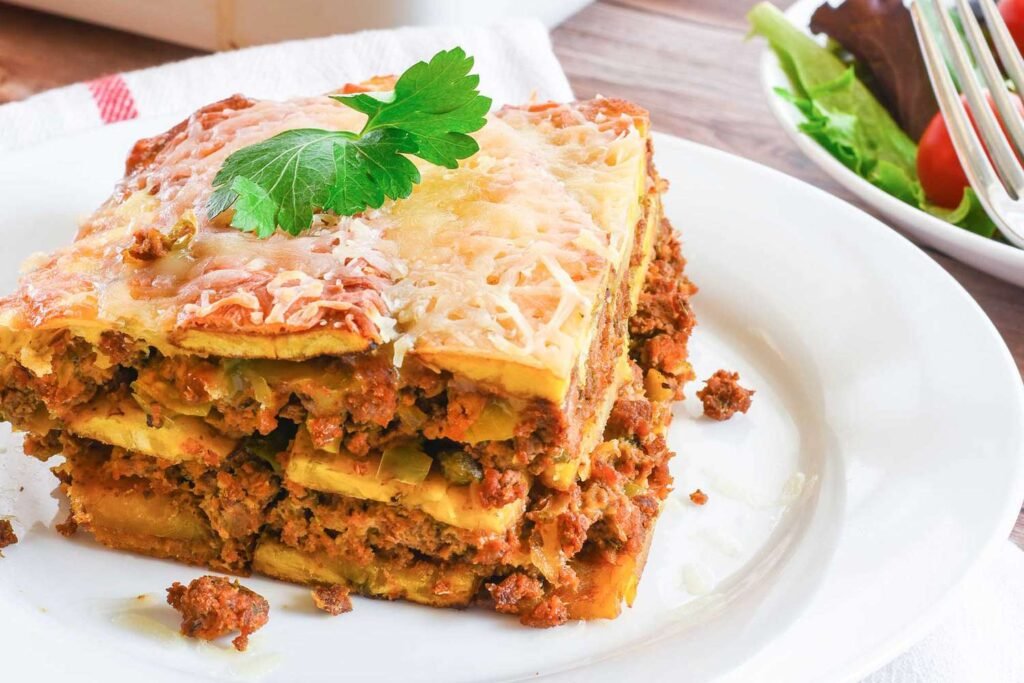
The dish is sometimes compared with lasagna because of its layered structure. However, the flavor is distinctly Caribbean. Ripe plantains provide natural sweetness, while seasoned meat, tomato-based sauce, sofrito, and cheese create a savory balance.
Pastelón can be found at Caribbean and Latin restaurants throughout the United States. Major food communities in New York, Florida, Massachusetts, New Jersey, Pennsylvania, and other metropolitan areas offer opportunities to try different versions.
What Is Pastelón?
Pastelón is a layered Caribbean casserole traditionally built around plantains and seasoned meat. A common Puerto Rican-style version uses ripe plantains, ground beef, tomato-based seasoning, and cheese.
The plantains are usually fried or otherwise prepared until soft before being arranged into layers. The meat filling is seasoned with ingredients such as sofrito and spices, then placed between the plantain layers.
The finished dish is baked until the flavors come together and the cheese melts over the top.
Food Network’s current recipe describes pastelón de amarillos as a casserole made with sweetly caramelized fried plantains, tomato-based meat sauce, and melted mozzarella, illustrating the sweet-and-savory character that makes the dish distinctive.
Where Pastelón Comes From
Pastelón is strongly associated with Puerto Rican and Dominican cuisine. Both traditions have their own approaches to the dish, and recipes can differ substantially between families and restaurants.
Puerto Rican cuisine itself reflects a combination of Taíno, Spanish, and African influences, creating the layered culinary traditions that characterize many dishes on the island.
Pastelón is particularly interesting because plantains are central to many Caribbean cuisines. Their versatility allows cooks to use them in both savory and sweet preparations.
The dish has also developed outside the Caribbean as communities have carried their recipes into cities across the United States.
What Makes Pastelón Special?
The appeal of pastelón comes from contrast.
Ripe plantains become soft and naturally sweet when cooked. Seasoned meat brings saltiness, savory depth, and spices. Cheese adds richness and helps hold the layers together.
The result is neither a conventional meat casserole nor a simple plantain dish.
Instead, pastelón combines sweet, savory, rich, and aromatic flavors in one serving. That balance is one reason the dish has become popular among people who are new to Puerto Rican or Dominican food.
Main Ingredients
Recipes vary, but a traditional-style pastelón often contains several familiar ingredients.
Ripe Plantains
Ripe plantains are the foundation of many versions. Their yellow-to-darkened skin indicates increasing ripeness, which produces a sweeter and softer interior.
When cooked properly, the plantain develops caramelized edges and a tender texture.
Seasoned Meat
Ground beef is commonly used in Puerto Rican-style versions. The meat is usually cooked with tomato sauce, sofrito, garlic, onions, peppers, herbs, and other seasonings.
The exact seasoning blend depends on the cook.
Cheese
Cheese provides richness and helps create the characteristic baked top. Mozzarella is one option used in contemporary preparations, while other restaurants may use a different melting cheese or a blend.
Sofrito
Sofrito is an important flavor base in Puerto Rican cooking. It typically combines aromatics such as onion, peppers, garlic, and herbs.
The official Discover Puerto Rico food guide identifies sofrito, adobo, and sazón among the ingredients that help define Puerto Rican cooking.
Puerto Rican vs. Dominican Pastelón
Although Puerto Rican and Dominican pastelón can look similar, the recipes are not necessarily identical.
Dominican versions commonly use mashed ripe plantains as a base, with seasoned picadillo and cheese forming the central layers. Puerto Rican versions may use fried sweet plantains arranged in layers with meat and cheese.
This means a restaurant’s pastelón may taste quite different from another restaurant’s version.
For that reason, asking about the restaurant’s culinary tradition can help you understand what to expect.
Where to Find Pastelón in the USA
The phrase “best pastelón near me” is highly dependent on location. There is no single restaurant that can objectively be called the best for every diner.
Instead, look for restaurants specializing in Puerto Rican, Dominican, or broader Caribbean cuisine.
Cities with established Caribbean and Latin American communities tend to provide the widest selection.
New York City is particularly important because Puerto Rican and Dominican food cultures have had a long-standing presence there. Boston and the surrounding region also have Puerto Rican restaurants where pastelón appears on menus. Boston Magazine’s current Puerto Rican restaurant guide specifically includes pastelón among the foods available in Greater Boston.
New York and the Northeast
New York is one of the strongest places in the country to search for Caribbean food.
Neighborhoods in the Bronx, Brooklyn, Queens, and other parts of the city have restaurants and food businesses connected with Puerto Rican and Dominican communities.
The Northeast extends beyond New York. Cities throughout New Jersey, Pennsylvania, Connecticut, and Massachusetts also have Caribbean restaurants.
When searching, use the complete phrase “best pastelón near me” alongside your city or neighborhood. This can produce more useful results than searching only for “Latin food.”
Boston and New England
Greater Boston has a smaller Puerto Rican dining scene than New York but still offers opportunities to try traditional dishes.
Boston Magazine’s restaurant coverage specifically highlights pastelón alongside other Puerto Rican favorites such as mofongo and jibaritos.
For diners in Massachusetts, searching both Puerto Rican restaurants and Caribbean restaurants can help identify more possibilities.
Always check the current menu, however, because specialty dishes can be seasonal or unavailable on certain days.
Florida
Florida is another natural destination for Caribbean food.
Cities and metropolitan areas such as Miami, Orlando, Tampa, and surrounding communities have large Latin American and Caribbean populations.
Restaurant menus can vary significantly. Some establishments specialize in Puerto Rican cooking, while others combine Puerto Rican, Dominican, Cuban, and other Caribbean influences.
If your priority is an authentic pastelón, look for a restaurant that identifies clearly with the culinary tradition you want.
Arizona and the Southwest
Pastelón is not limited to the East Coast.
For example, Phoenix Coqui’s current menu lists Pastelón as a Puerto Rican lasagna-style dish made with seasoned ground beef, sweet fried plantains, and melted cheese.
This demonstrates how traditional Caribbean dishes have reached regions far from the largest Puerto Rican population centers.
Restaurants like this can be especially valuable for diners who live in areas where Caribbean cuisine is less common.
How to Choose the Best Pastelón
A high restaurant rating is helpful, but it is not enough.
When searching for the best pastelón near me, pay attention to reviews that specifically mention the dish.
Look for comments about:
- Plantain flavor
- Meat seasoning
- Cheese and texture
- Portion size
- Freshness
- Authenticity
- Value for money
A restaurant can have excellent overall reviews while serving a pastelón that does not match your preferred style.
Dish-specific feedback is therefore much more useful.
What Good Pastelón Should Taste Like
Good pastelón should provide a clear balance between sweet plantain and savory filling.
The plantains should be tender rather than dry. The meat should have enough seasoning to stand up to the sweetness. Cheese should contribute richness without completely dominating the dish.
Texture also matters.
A well-prepared serving should hold together when cut but remain soft enough to feel like a comforting casserole rather than a dry baked dish.
What to Serve With Pastelón
Pastelón is filling on its own, but it pairs naturally with other Caribbean foods.
A common combination is rice and beans, which is an important part of Puerto Rican cuisine. Discover Puerto Rico describes arroz y habichuelas as a quintessential Puerto Rican side dish.
You might also find pastelón served alongside:
- White rice
- Arroz con gandules
- Beans
- Salad
- Tostones
- Avocado
- Sweet plantains
The choice depends on the restaurant and the particular regional style.
Restaurant, Takeout and Delivery Tips
If you are trying pastelón for the first time, dining inside the restaurant can be worthwhile.
You can ask staff about the recipe, portion size, and whether the dish is made fresh that day.
Takeout is convenient, especially when the restaurant is far away. However, baked dishes can change slightly in texture during transportation.
Check whether the restaurant offers pastelón every day. Some smaller Caribbean restaurants prepare specialty dishes only on particular days or in limited quantities.
Price and Portions
Pastelón prices vary widely across the United States.
Location, restaurant type, portion size, ingredient costs, and local operating expenses all affect the final price.
A small neighborhood restaurant may offer a different portion and price from a full-service Caribbean restaurant in Manhattan.
Instead of relying on an old price mentioned online, check the current restaurant menu before ordering.
Also consider whether rice, beans, salad, or other sides are included.
Benefits of Trying Pastelón
Pastelón offers an easy introduction to Caribbean comfort food.
The combination of sweet plantains and savory meat is familiar enough for first-time diners while still providing a distinct flavor profile.
It is also an excellent example of how food connects communities.
Puerto Rican cuisine has evolved from Taíno, Spanish, and African influences, and traditional recipes continue to be prepared both on the island and in communities throughout the United States.
Trying pastelón at a local Caribbean restaurant can therefore be both a meal and a cultural experience.
Pastelón and Family Traditions
Food often carries memories from one generation to another.
Pastelón is especially suited to family cooking because it can be assembled in a large baking dish and shared around the table.
Recipes may differ from household to household. One family might prefer more cheese, another might use a different seasoning blend, and another might adjust the sweetness of the plantains.
There is no single universal recipe that represents every Puerto Rican or Dominican household.
That variety is part of what makes the dish interesting.
Common Search Mistakes
One mistake is assuming that every restaurant listed for “Caribbean food” serves pastelón.
Another is confusing pastelón with pasteles or pastelillos.
These are different foods.
Puerto Rican pasteles are savory masa preparations traditionally wrapped in banana leaves and filled with meat, while pastelón is a layered casserole. Discover Puerto Rico describes pasteles as a specialty made with green banana masa and traditionally filled with stewed pork.
Pastelillos, meanwhile, are fried stuffed pastries.
Knowing these differences makes restaurant searches much easier.
How to Search Effectively
For the best local results, combine the keyword with your city.
Examples include:
“best pastelón near me New York”
“best pastelón near me Miami”
“Puerto Rican pastelón near me Boston”
“Dominican pastelón near me New Jersey”
You can also search “pastelón delivery near me” if convenience is your priority.
Before visiting, check the restaurant’s latest menu and recent customer comments.
What to Ask the Restaurant
If you want a specific style, don’t hesitate to ask.
Useful questions include:
“Is your pastelón Puerto Rican or Dominican style?”
“Do you make it with ripe fried plantains?”
“What meat do you use?”
“Is cheese included?”
“Is pastelón available today?”
These simple questions can help you choose a dish that matches your expectations.
Final Thoughts
The search for “best pastelón near me” can lead to some of the most comforting dishes in Puerto Rican and Dominican cuisine.
Pastelón combines ripe plantains, seasoned meat, cheese, and aromatic Caribbean flavors into a layered casserole that is both familiar and distinctive. Contemporary recipes can vary, but the sweet-and-savory balance remains central to its appeal.
In the United States, diners can find pastelón in many Caribbean communities, particularly in places such as New York, Florida, New England, New Jersey, and other metropolitan areas.
The best choice ultimately depends on your taste. Some diners prefer a sweeter plantain layer, while others want heavily seasoned meat and plenty of melted cheese.
For the most satisfying experience, choose a restaurant with a clear Puerto Rican or Dominican culinary identity, check recent reviews for pastelón specifically, confirm availability, and compare the ingredients before ordering.
Most importantly, enjoy the dish as part of the broader Caribbean food tradition. Pastelón is not simply a plantain casserole; it represents the way family recipes, regional influences, and cultural traditions continue to thrive in restaurants and homes throughout the USA.
FAQs
1. What is pastelón?
Pastelón is a Caribbean layered casserole, commonly made with ripe plantains, seasoned meat, and cheese. Puerto Rican and Dominican versions can differ in ingredients and preparation.
2. Where can I find the best pastelón near me?
Search for Puerto Rican, Dominican, or Caribbean restaurants in your city, then check recent reviews that specifically mention pastelón. New York, Florida, New England, and other major metropolitan areas have established Caribbean food scenes.
3. Is pastelón the same as pasteles?
No. Pastelón is a layered casserole, while Puerto Rican pasteles are traditionally made from green banana or root-vegetable masa, filled with meat, wrapped in banana leaves, and boiled.
4. What does pastelón taste like?
Pastelón has a distinctive sweet-and-savory flavor. Ripe plantains provide sweetness, while seasoned meat, tomato-based sauce, aromatics, and cheese add savory richness.
5. What should I check before ordering pastelón?
Check current availability, restaurant style, ingredients, portion size, recent reviews, and price. Specialty dishes may not be available every day, so calling ahead can save you a trip.