Best Calçots With Romesco Near Me: Taste, Tradition, and Dining Tips
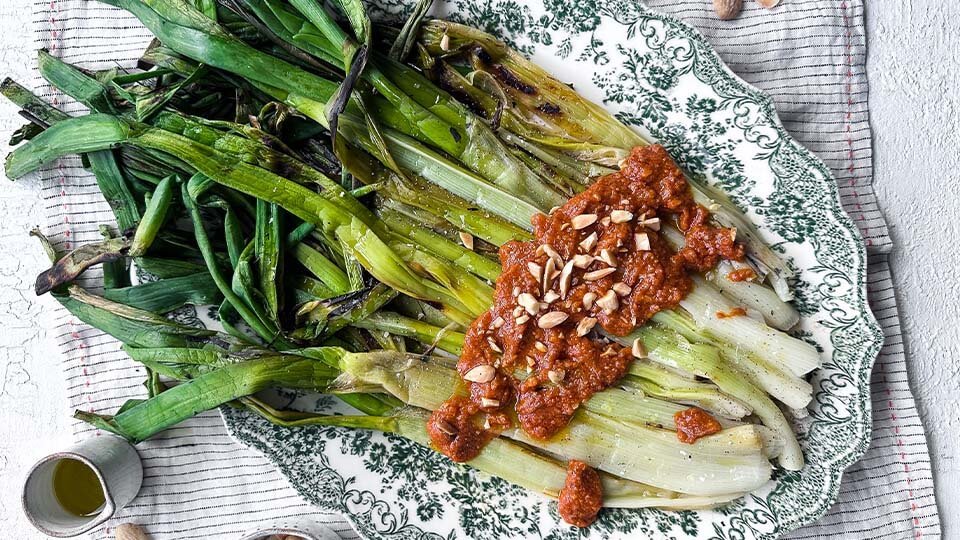
When people search for “best calçots with romesco near me,” they are usually looking for more than an ordinary vegetable dish. They are looking for a traditional Catalan food experience built around fire-roasted calçots, rich romesco sauce, good company, and the relaxed atmosphere of a calçotada.
Calçots are a type of sweet, white-green onion traditionally associated with Catalonia. The dish is especially connected with Valls and the surrounding areas of Tarragona, where the calçotada has become an important part of local food culture.
For someone trying to find the best version nearby, understanding what makes a good calçotada is just as important as finding a restaurant with a high rating. Preparation, seasonality, roasting technique, romesco sauce, and the overall dining experience all matter.
What Are Calçots?
Calçots are a variety of sweet, tender onion or scallion traditionally grown in Catalonia. Their distinctive cultivation method helps create the long white edible portion associated with the dish.
The name is linked to the traditional practice of covering the growing shoots with soil. Catalan tourism information explains that the calçot gets its name from the way the onions are “calçats,” or covered with soil as they grow.
Unlike ordinary green onions served raw or lightly cooked, calçots are traditionally prepared over a live fire. The outer layer becomes blackened during roasting, while the inside becomes soft and tender.
That contrast is a major part of their appeal.
What Is Romesco?
Romesco is a traditional Catalan sauce commonly served with calçots.
Its ingredients can vary between recipes, but traditional versions commonly feature roasted tomatoes, garlic, peppers, olive oil, nuts such as almonds or hazelnuts, and seasonings.
Catalan tourism sources specifically identify romesco as an important part of the region’s gastronomy and note that ingredients such as roasted garlic, tomatoes, and peppers are used in the sauce.
The sauce is usually thick, savory, slightly sweet, nutty, and mildly smoky.
That combination works particularly well with the sweetness and charred exterior of roasted calçots.
Why They Go Together
The combination of fire-roasted calçots and romesco sauce is what makes this traditional meal so distinctive.
A properly cooked calçot is soft inside with a smoky outer character. Romesco adds acidity, nuttiness, garlic, olive oil, and roasted flavors.
The result is a balance between the sweetness of the vegetable and the deeper flavor of the sauce.
This is why searching for only “calçots” may not give you the full experience. When looking for the best calçots with romesco near me, check whether the restaurant serves the traditional pairing rather than simply offering calçots as a modern side dish.
What Is a Calçotada?
A calçotada is the traditional Catalan gathering centered around eating calçots.
It is more than a single plate. The experience commonly involves cooking calçots over an open fire, serving them with romesco, and following them with grilled meats and other traditional foods.
Catalonia’s official tourism material describes the calçotada as an important culinary tradition and highlights Valls as one of its best-known centers.
A calçotada is often enjoyed with family and friends, making it as much a social occasion as a meal.
Where the Tradition Comes From
Valls in Tarragona is widely regarded as the heart of the calçotada tradition.
The region has become closely associated with calçots, and the local product known as Calçot de Valls has Protected Geographical Indication status.
The official Grand Tour of Catalonia notes that Calçot de Valls is protected under the PGI system.
Valls also hosts the Festa de la Calçotada, a celebration dedicated to the food and its traditions. The event includes calçot-eating activities and other festivities.
For anyone passionate about this dish, visiting the traditional production area can provide a deeper understanding of where the food comes from.
When Is Calçot Season?
Seasonality is one of the most important factors when looking for excellent calçots.
Traditionally, calçot season is associated with the cooler months. Catalan tourism information says the popularization of the product has extended the period from November into spring, sometimes through April.
The Costa Daurada tourism authority particularly highlights February, March, and April as important months for enjoying calçots with romesco and grilled foods.
This means that someone searching for the dish outside the main season may find fewer restaurants serving traditional calçotadas.
Seasonal availability is therefore one of the first things to check.
What Makes the Best Calçots?
Not every plate of roasted onions delivers the same experience.
Freshness matters. Good calçots should have a pleasant sweetness and tender interior after cooking.
The roasting process is equally important.
Traditional calçots are cooked over live fire, often using vine-pruning wood. The outer portion becomes heavily charred while the interior cooks through.
The blackened exterior may look unusual to someone seeing calçots for the first time, but that char is part of the traditional cooking method.
A restaurant that prepares them carefully should produce calçots that are soft, hot, smoky, and naturally sweet inside.
How Traditional Calçots Are Cooked
Traditional preparation is relatively simple, but the technique makes a major difference.
The calçots are placed over a strong open fire.
The outside becomes blackened and charred. According to Catalan tourism information, they are then traditionally wrapped for a short period so they can finish cooking and remain warm.
The result is a tender interior protected by a heavily roasted outer layer.
This is one reason traditional calçots are best enjoyed soon after cooking.
Restaurants that serve them as part of a proper calçotada generally make the cooking process part of the experience.
How to Eat Calçots
Eating calçots can be messy, and that is part of the fun.
The traditional method is to hold the calçot with your hands, pull away the blackened outer layer, and reveal the soft interior.
The edible portion is then dipped generously into romesco sauce.
Catalan tourism guidance specifically describes eating calçots by pulling away the outer layer with your fingers and dipping the vegetable into romesco.
Don’t worry about making your first attempt perfectly neat.
A genuine calçotada is informal, social, and hands-on.
What Makes Good Romesco?
Romesco can vary considerably from one kitchen to another.
A good version should complement the calçots rather than overpower them.
Look for a sauce with a balanced combination of roasted vegetables, nuts, olive oil, garlic, acidity, and seasoning.
The exact recipe can differ because traditional Catalan cooking contains many local variations.
One restaurant may produce a smoother sauce, while another may prefer a more textured version.
Neither approach automatically makes one superior.
What matters is whether the sauce tastes fresh, balanced, and works naturally with the smoky calçots.
What Comes With a Calçotada?
A traditional calçotada is often much larger than a plate of vegetables.
After the calçots and romesco, diners may receive grilled meat and other regional accompaniments.
Catalan tourism sources specifically describe grilled meat as a common part of the traditional meal.
Depending on the restaurant, the meal may also include bread, potatoes, vegetables, wine, cava, or regional desserts.
The exact menu varies from place to place.
For this reason, it is worth checking the restaurant’s complete calçotada menu before making a reservation.
How to Find the Best Calçots Near You
The phrase “near me” makes this a location-based search, so the best restaurant depends on your actual city or neighborhood.
Instead of choosing the first result, compare several options.
Start by searching for restaurants using terms such as:
“calçotada near me”
“calçots with romesco”
“Catalan restaurant calçots”
“traditional calçotada”
Then check the restaurant’s current menu and seasonal availability.
A restaurant might have excellent reviews but serve calçots only during certain months.
Check the Menu
The menu can reveal a lot about the experience.
Look for words such as calçotada, romesco, Calçot de Valls, grilled calçots, seasonal calçots, or traditional Catalan cuisine.
If the restaurant specifically describes its preparation over an open fire, that is useful information.
You should also check whether romesco is included in the price.
Some restaurants sell calçots as an individual dish, while others offer a complete calçotada menu.
Read Recent Reviews
Restaurant reviews can be particularly useful for seasonal dishes.
Look specifically for recent comments about:
- Calçot freshness
- Romesco flavor
- Portion size
- Cooking technique
- Service
- Atmosphere
- Value
- Waiting times
- Seasonal availability
Older reviews may not reflect the current menu or kitchen.
Recent reviews are especially important for seasonal foods.
Look for Traditional Preparation
If authenticity matters to you, look for restaurants that describe their calçots as being fire-roasted or prepared in the traditional style.
Catalan tourism sources emphasize open-fire cooking as a defining part of the traditional method.
A restaurant doesn’t necessarily need to be in Catalonia to prepare good calçots, but traditional technique can make a noticeable difference.
Consider the Full Experience
The best calçot restaurant is not necessarily the one with the highest rating.
Think about what kind of meal you want.
A casual restaurant might be perfect for a quick plate.
A traditional calçotada venue may be better for a long lunch with family or friends.
Some venues combine the meal with wine, countryside surroundings, cooking demonstrations, or other cultural activities. For example, Catalonia’s tourism portal highlights calçotada experiences at Mas Llagostera in the Penedès, including local wine and cava and demonstrations involving romesco.
Benefits of Eating Calçots
Calçots are fundamentally a vegetable, so they can fit naturally into a varied diet.
They are particularly appealing because the traditional preparation does not require complicated ingredients.
Their flavor comes largely from the fresh vegetable, fire, and accompanying sauce.
The wider calçotada experience also encourages communal dining. Sharing food around a table with friends or family is an important part of the tradition.
However, the nutritional profile of a complete calçotada depends heavily on what accompanies the vegetables, especially sauces, grilled meats, bread, and beverages.
So it is better to think of the dish as part of a complete meal rather than describing calçots alone as a health food.
A Social Food Tradition
One of the most interesting things about calçots is that they are associated with social eating.
The food is often prepared in large quantities and served during gatherings.
Catalonia’s tourism material describes calçotadas as an opportunity to enjoy the food with friends and family.
This communal element helps explain why calçotadas remain popular.
They are not simply about eating vegetables.
They are about sitting together, sharing food, talking, and enjoying a regional tradition.
Fun Facts About Calçots
There are several interesting facts that make calçots stand out.
Valls is strongly associated with calçotada culture.
Calçot de Valls has Protected Geographical Indication status.
Calçots are traditionally roasted over an open fire.
The outer layer is intentionally blackened during cooking.
Romesco is the classic sauce served with calçots.
Calçots are traditionally eaten by hand.
The annual Festa de la Calçotada in Valls is another major celebration of the tradition. Official Catalan tourism information notes that the event takes place around the end of January.
Is Calçotada Suitable for Everyone?
A calçotada can be enjoyed by many people, but individual dietary needs should always be considered.
The calçots themselves are vegetables, but the complete meal may contain nuts, meat, dairy products, gluten-containing foods, or other allergens, depending on the restaurant and recipe.
Romesco frequently contains nuts, so anyone with a nut allergy should ask restaurant staff about ingredients before eating.
Vegetarians should also confirm whether the restaurant offers a suitable menu beyond the calçots.
What Should You Ask a Restaurant?
Before booking, a few simple questions can save you from disappointment.
Ask whether calçots are currently in season.
Ask whether they are cooked over an open fire.
Ask whether romesco is included.
Ask whether the restaurant serves a complete calçotada menu.
If you have allergies, ask about the ingredients in the romesco.
And if you’re visiting with a group, ask whether reservations are required.
These details are particularly useful during peak calçotada season.
The Best Time to Go
If your goal is to experience calçots at their traditional best, visiting during the main season is usually the sensible choice.
The official tourism information identifies the period from late autumn through spring, with February through April particularly associated with calçot season in the Costa Daurada.
Weekends can be especially busy because calçotadas are popular social gatherings.
For a relaxed meal, booking ahead can be a good idea.
What About Calçots Outside Catalonia?
You can find calçots outside Catalonia, especially in cities with Spanish or Catalan restaurants.
However, availability can vary considerably.
Some restaurants may offer them seasonally, while others may substitute similar onions when authentic calçots are unavailable.
If authenticity matters, ask about the origin of the calçots and how they are prepared.
Catalan tourism information notes that Calçot de Valls has PGI protection, while other calçots from areas such as Baix Llobregat and Gallecs can also be enjoyed.
Final Thoughts
Finding the best calçots with romesco near me is about more than locating a restaurant that lists calçots on its menu.
The best experience comes from understanding the tradition behind the dish.
Look for fresh seasonal calçots, traditional fire roasting, well-balanced romesco, and a restaurant that respects the calçotada tradition.
Valls remains an important reference point for the food, and Calçot de Valls has official Protected Geographical Indication status.
The dish itself is simple: roasted calçots, romesco, and often grilled foods. Yet the experience is memorable because of the smoky cooking method, hands-on eating style, and social atmosphere.
If you are searching locally, compare current menus, recent reviews, seasonal availability, preparation methods, and prices before choosing.
A good calçotada should feel like more than dinner—it should feel like a small taste of Catalan food culture.
FAQs
What are calçots with romesco?
Calçots with romesco are a traditional Catalan dish featuring fire-roasted sweet onions served with romesco sauce, a flavorful sauce commonly made with roasted vegetables, nuts, olive oil, and seasonings.
When is calçot season?
Calçot season generally runs through the cooler months into spring. Official Catalan tourism information notes that they can be enjoyed from November into April, with February, March, and April particularly associated with the season in Costa Daurada.
Where did calçots originate?
Valls in Tarragona, Catalonia, is strongly associated with calçotada culture and the Calçot de Valls product, which has Protected Geographical Indication status.
How are traditional calçots cooked?
Traditional calçots are roasted over a live fire until their outer layers become blackened. They are then allowed to finish cooking and are served with romesco sauce.
How can I find the best calçots near me?
Search for calçotada restaurants, Catalan restaurants, and calçots with romesco, then compare current menus, recent reviews, seasonal availability, cooking methods, and whether authentic calçots are being used.