Best Milanesa Napolitana Near Me: What Makes a Great Plate
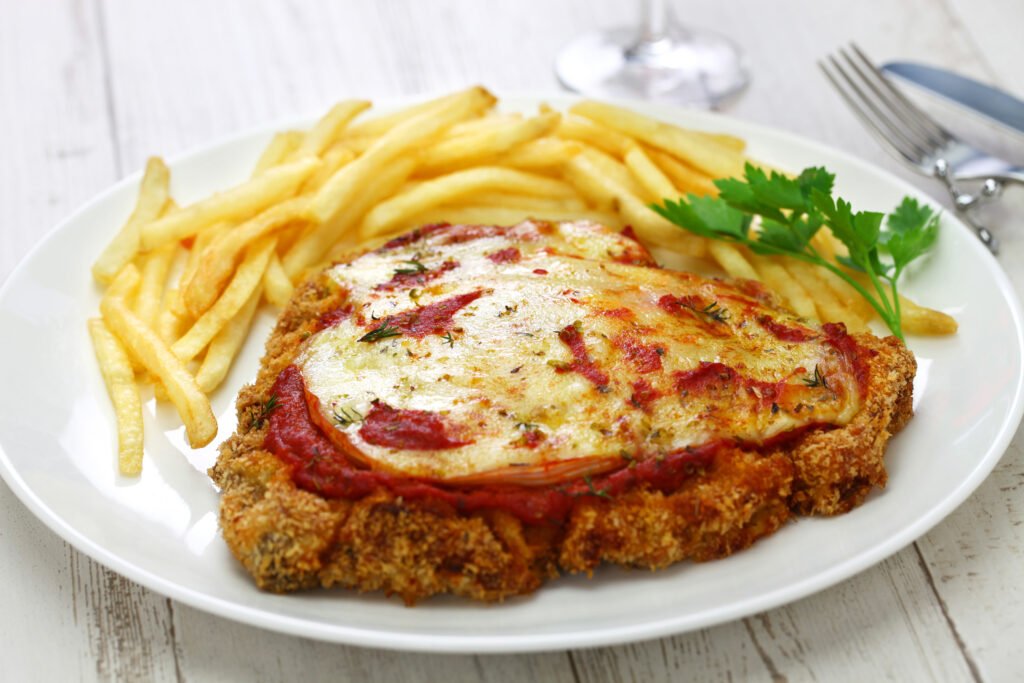
Milanesa itself is a breaded and cooked slice or fillet of meat. Argentina’s Food Code officially defines milanesa as a slice or fillet of meat that has been breaded, while current regulations also recognize prepared meat products made in the characteristic form of a milanesa.
The napolitana version goes a step further by adding a tomato-based topping, ham and cheese. It is commonly served as a substantial main course with potatoes, salad or another accompaniment.
For anyone searching locally, knowing what separates a good milanesa napolitana from an average one can make choosing a restaurant much easier.
What Is Milanesa Napolitana?
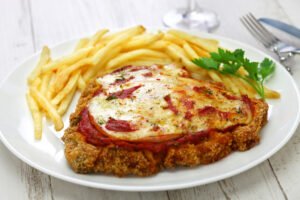
Milanesa napolitana is a breaded meat cutlet topped with tomato sauce, ham and melted cheese. It is commonly associated with Argentine cuisine and is one of the country’s recognizable comfort-food dishes.
The base is a traditional milanesa. The meat is coated with breadcrumbs and usually egg and seasonings before being cooked. The finished cutlet is then covered with tomato sauce, a slice or portion of cooked ham and cheese.
An Argentine government food-service document provides a useful example of the composition, listing beef, breadcrumbs, egg, tomato purée, mozzarella and cooked ham in a milanesa a la napolitana.
Argentine Connection
Milanesa has a strong place in Argentine food culture. Argentina’s official food regulations recognize the dish as a specific breaded meat preparation, demonstrating that the term has a defined culinary meaning in the country.
The napolitana style is particularly popular in Argentine restaurants, cafés and traditional casual dining establishments.
Despite its name, milanesa napolitana should not automatically be assumed to be a traditional dish from Naples, Italy. Its identity is strongly connected with Argentine restaurant and home cooking.
What Makes It Different?
A regular milanesa is essentially a breaded meat cutlet. The napolitana style adds another layer of flavor and texture.
The most recognizable combination is tomato sauce, ham and melted cheese. These toppings transform the crisp cutlet into a richer and more substantial meal.
The contrast is part of its appeal. The outside can remain crisp while the top provides soft, savory and creamy elements.
That combination also means preparation matters. Too much sauce can make the breading soggy, while too little topping can leave the dish dry.
The Meat
The quality of the meat is one of the first things to consider when judging a milanesa.
Traditional versions commonly use beef, although restaurants may also offer chicken or other alternatives. Argentina’s food regulations specifically define milanesa according to the type of meat used, meaning the species should be identified when applicable.
A good beef milanesa should be tender enough to cut easily without becoming mushy.
Thickness also matters. An extremely thick piece can take longer to cook and may produce an uneven texture, while a very thin cut can become dry if overcooked.
The Breadcrumb Coating
The coating provides the characteristic crisp texture of milanesa.
Breadcrumbs are generally applied after the meat has been prepared with an egg-based coating. Seasonings can be incorporated according to the restaurant’s recipe.
A successful coating should adhere well to the meat and remain reasonably crisp after cooking.
The breading should support the meat rather than overwhelm it. If it is excessively thick, diners may taste more crumbs than beef. If it is too thin, the cutlet may lack the texture expected from a traditional milanesa.
Tomato Sauce
The tomato layer brings acidity and moisture to the dish.
A good sauce should complement the fried or baked coating without completely soaking it. Tomato provides a useful contrast to the richness of the cheese and ham.
Some restaurants use a smooth tomato sauce, while others may have a chunkier preparation. Seasoning can also vary.
Balance is more important than complexity. The sauce should have enough flavor to stand alongside the meat without overpowering the entire plate.
Ham and Cheese
Ham and cheese are central to the familiar napolitana presentation.
The ham contributes a savory, slightly salty flavor, while melted cheese provides richness and a creamy texture.
Mozzarella is commonly associated with the dish, and an Argentine government menu specification for milanesa napolitana lists 60 grams of mozzarella and 60 grams of cooked ham in its example serving.
Restaurants may use different quantities and cheeses, so the exact flavor can vary.
The Cheese Matters
Cheese can significantly change the finished dish.
A suitable cheese should melt evenly and create a cohesive layer over the tomato sauce and ham.
Too much cheese can make the dish excessively heavy, while too little may leave the topping dry.
When looking for the best milanesa napolitana near me, photographs can sometimes reveal whether a restaurant uses a generous melted cheese layer, although appearance alone does not guarantee quality.
Cooking Methods
Restaurants may prepare milanesa in different ways.
Frying is a traditional approach that creates a crisp exterior and rich flavor. Other kitchens may bake the breaded cutlet, producing a different texture and potentially reducing the amount of added cooking fat.
The final result depends on technique rather than the cooking method alone.
A well-fried milanesa should not taste excessively greasy, while a baked version should still have a properly browned and flavorful coating.
What Makes the Best Version?
There is no single universal standard for the “best” milanesa napolitana. Personal preference plays a major role.
However, several qualities are generally worth looking for: tender meat, crisp breading, balanced tomato sauce, good-quality ham and evenly melted cheese.
The toppings should complement one another rather than creating an overly salty or greasy plate.
Temperature is important too. A fresh serving should arrive hot enough for the cheese to remain melted and the center of the meat to be enjoyable.
Popular Side Dishes
Milanesa napolitana is often served as a complete meal rather than a small appetizer.
French fries and other potato preparations are popular accompaniments, while salad can provide a lighter contrast to the rich main dish.
An Argentine government food-service example pairs milanesa napolitana with a vegetable salad, demonstrating that the dish can also be served alongside fresh vegetables rather than only potatoes.
When comparing restaurants, check whether the listed price includes a side dish.
How to Search Near You
The phrase “best milanesa napolitana near me” has strong local search intent.
People using this phrase are generally looking for restaurants they can visit or order from, rather than simply asking about the recipe.
Start by checking restaurants that specifically list milanesa napolitana on their current menu. Then compare their reviews, photographs, opening hours, menu descriptions and available ordering options.
The closest restaurant is not automatically the best choice.
Check the Current Menu
Menus can change, especially at restaurants that rotate daily specials.
Before traveling to a restaurant, check whether milanesa napolitana is currently available.
Some establishments may offer it permanently, while others may serve it only during lunch, dinner or selected days.
It is also useful to check whether the menu offers beef, chicken or another version. If you have a strong preference, confirming the meat type before ordering can prevent confusion.
Read Recent Reviews
Reviews are useful when they contain specific information about the actual dish.
Look for recent comments mentioning milanesa napolitana, rather than relying entirely on the restaurant’s overall rating.
Customers may mention whether the breading was crisp, the meat was tender, the cheese was well melted or the portion was generous.
Older reviews may no longer reflect the current recipe, chef or menu, so prioritize recent experiences whenever possible.
Look at Photos
Food photographs can provide useful clues.
A photograph may show the thickness of the meat, amount of cheese, quantity of sauce and size of the portion.
However, restaurant photos should be treated as supporting information rather than proof of quality.
A professional photograph can make almost any dish look appealing. Recent customer photographs may provide a more realistic picture of what is currently being served.
Portion Size
Milanesa napolitana is generally a filling meal.
Restaurants can differ considerably in portion size. Some serve a large cutlet covering much of the plate, while others provide a smaller portion with a substantial side.
When comparing prices, consider the complete meal rather than the headline price alone.
A slightly more expensive plate may offer more meat and a better side, making it better value overall.
Dine-In vs Delivery
Milanesa napolitana can be ordered for takeaway or delivery, but there is an important difference.
The longer a breaded cutlet remains inside a closed takeaway container, the more likely steam is to soften the coating.
Dine-in service generally provides the best opportunity to enjoy the contrast between crisp breading and melted toppings.
If ordering delivery, consider restaurants with short delivery times and packaging designed to reduce excessive moisture buildup.
Nutrition Considerations
Milanesa napolitana is a rich comfort-food meal.
The meat provides protein, while the cheese and ham add additional protein and fat. The breading contributes carbohydrates, and frying can increase the dish’s overall fat and energy content.
The toppings and side dishes can add further calories and sodium.
Argentina’s government nutrition guidance includes milanesa among meal options while recommending balanced food choices and the inclusion of vegetables and other nutritious foods.
If nutrition is important to you, consider a side salad or vegetables instead of a large fried side.
Beef or Chicken?
Both versions can be appealing.
Beef milanesa tends to have a stronger, more traditional meat flavor, while chicken provides a milder taste.
Chicken can also be appealing to diners who prefer a lighter-tasting meat.
The most important factor is preparation. A well-made chicken milanesa can be excellent, while poorly prepared beef can be disappointing.
When searching locally, specify the meat you want if the restaurant offers multiple options.
Common Mistakes
One common problem is excessive sauce.
Although tomato sauce is essential to the napolitana style, too much can quickly soften the breading.
Another issue is overcooking the meat. Even a good topping cannot compensate for a dry or tough cutlet.
Cheese can also be poorly balanced. A thick layer may dominate the other ingredients, while insufficient cheese can make the topping feel incomplete.
Finally, an overly greasy crust can reduce the enjoyment of the dish.
Signs of a Quality Plate
When your meal arrives, look for a few basic characteristics.
The breading should have a pleasant golden color and hold together around the meat. The cutlet should be hot and properly cooked.
The tomato sauce should be spread evenly, while the ham and cheese should form a cohesive topping.
A strong milanesa napolitana should offer several textures in one bite: crisp coating, tender meat, soft tomato sauce, savory ham and melted cheese.
That combination is what makes the dish memorable.
How to Order
If this is your first time trying the dish, ask a simple question: “Is the milanesa napolitana made with beef or chicken?”
You can also ask what side dish comes with it and whether the cheese is mozzarella.
If you are ordering delivery, ask whether the restaurant packages the milanesa separately from particularly moist sides or sauces when appropriate.
These small questions can help you choose a meal that matches your expectations.
Why People Love It
The popularity of milanesa napolitana comes partly from its familiar ingredients.
There is nothing especially difficult about understanding the flavor: breaded meat, tomato, ham and cheese.
Yet the combination creates a meal that feels generous and comforting.
It brings together the crisp texture of a milanesa with the richness of a baked cheese-and-tomato topping, making it particularly appealing to diners who enjoy hearty restaurant food.
Finding Your Favorite
The phrase “best” will always be subjective.
One diner may prefer a very crisp crust, another may want extra cheese, while someone else may prioritize a large portion or homemade-style tomato sauce.
Rather than choosing entirely from star ratings, compare restaurants according to the qualities that matter most to you.
Consider meat quality, breading, sauce, cheese, portion, side dish, price and recent customer feedback.
Final Thoughts
The search for the best milanesa napolitana near me is really about finding the right balance between a crisp breaded cutlet and its rich toppings.
A quality version should have tender meat, well-seasoned breading, flavorful tomato sauce, savory ham and properly melted cheese. Argentina’s official food regulations recognize milanesa as a breaded meat product, while government food-service documentation provides a representative preparation of milanesa napolitana using beef, breadcrumbs, tomato, mozzarella and cooked ham.
When choosing a nearby restaurant, check the current menu, read recent dish-specific reviews, examine photographs and compare portions and sides.
The best restaurant is ultimately the one that delivers the combination you enjoy most. For some diners that means an especially crisp crust; for others, it means generous cheese and sauce. A well-balanced plate, however, should make every component work together rather than allowing one ingredient to dominate.
FAQs
1. What is milanesa napolitana?
Milanesa napolitana is a breaded meat cutlet topped with tomato sauce, ham and melted cheese. It is strongly associated with Argentine cuisine and is commonly served as a main meal.
2. What meat is used in milanesa napolitana?
Beef is a common choice, although chicken milanesa napolitana is also widely available. Argentina’s food regulations recognize milanesa preparations made from different types of meat.
3. What comes with milanesa napolitana?
Common sides include French fries, potatoes, salad or vegetables. The exact accompaniment depends on the restaurant and its menu.
4. What should I look for when choosing the best milanesa napolitana near me?
Look for tender meat, crisp breading, balanced tomato sauce, quality ham, melted cheese and recent positive reviews specifically about the dish.
5. Is milanesa napolitana healthy?
It can provide protein, but traditional versions can also be relatively rich because of the breading, cooking method, cheese and ham. Adding vegetables or salad can create a more balanced meal.